- Home
- Applications
- Water and Wastewater Flow Measurement
Application
Water and Wastewater Flow Measurement
Measuring water and wastewater flow supports billing, process control, regulatory reporting and leak detection. Flow meters for these services must handle varying flow, solids and sometimes partial filling. Flotronics supplies flow meters and flow indicators and can help you choose the technology that suits your pipe, fluid and output needs. Send us your line and flow details to request a quotation for suitable instruments. We can also advise on installation requirements such as straight pipe and grounding, which affect accuracy as much as the choice of meter.
The challenge
What needs to be solved
Water networks and treatment plants present varied conditions. Raw water and effluent carry suspended solids, grit and fibres that foul moving-part meters. Flow swings widely between day and night, so the meter needs a good turndown. Pipes may run partly full, and installation space for straight runs is often limited, particularly in retrofits.
Reporting, process control and loss management need reliable totalised flow, while operators also want local indication. Bad installation, air entrainment and electrode fouling all degrade accuracy, so the choice of technology and the installation conditions both need attention. Meter performance can look fine at commissioning and degrade as the network, fouling and flow pattern change.
The approach
Measurement & control options
Common approaches:
- have no obstruction or moving parts and suit conductive water, sewage and slurries in full pipes, with a liner chosen for the liquid.
- in clamp-on form allow retrofit without cutting the pipe, useful for audits and temporary checks on clean liquids.
- for clean-water totalising, with an upstream strainer, as covered in industrial strainers.
- Variable-area meters and flow indicators for dosing lines, bypass flows and visual verification.
Define whether pipes run full, what straight length is available, and the minimum and maximum flow. Plan outputs: 4–20 mA, pulse for totalising, or digital for telemetry. Where open channels or partly filled pipes exist, say so, because different methods apply. Our flowmeter page and the flow measurement category list the options, and the guide on types of industrial flow meters explains the technologies.
Verify the installation after commissioning by comparing totalised flow against a known reference, such as a tank volume or a second meter. Grounding rings, proper cable routing and full-pipe conditions are worth checking if readings look unstable. Provide pipe drawings or photographs if you are unsure about straight run or orientation.
If you are unsure which option fits, send the basic process data and we will suggest a shortlist.
Products
Product types for this application
Product type
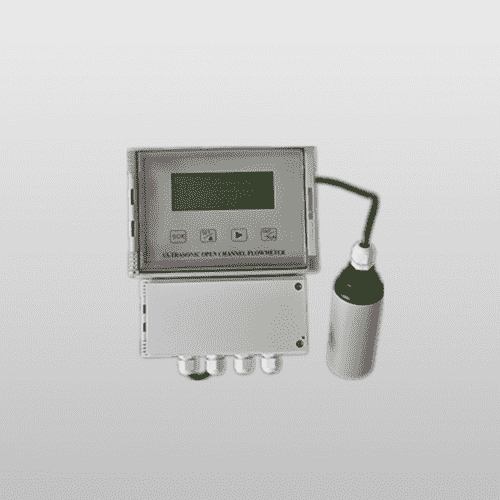
FlowmeterElectromagnetic, ultrasonic and other types for water and effluent.
View range
Product type
Flow indicatorLocal visual indication of flow in lines.
View range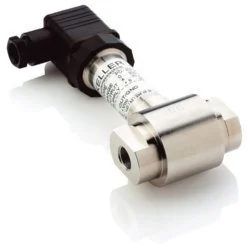
Product type
Pressure transmitterPressure monitoring alongside flow in pumping mains.
View range
Product type
StrainerProtects mechanical flow meters from debris.
View range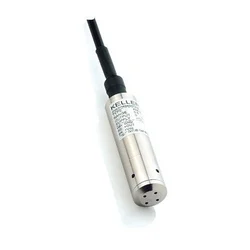
Product type
Hydrostatic level transmitterLevel measurement in sumps and wells.
View rangeQuotation checklist
What to send us
- Fluid: raw water, treated water, sewage, effluent or sludge
- Pipe diameter, material and whether always full
- Minimum, normal and maximum flow rate
- Operating pressure and temperature
- Available straight pipe upstream and downstream
- Output needed: 4–20 mA, pulse, digital or local display
- Power supply: mains, DC or battery
- Totalising or reporting requirement
Industries
- Municipal water supply
- Sewage and effluent treatment
- Industrial process water
- Irrigation
- Building services
FAQ
Frequently asked questions
Answers to the questions buyers most often ask before requesting a quotation.
Which flow meter suits sewage?
Electromagnetic meters are widely used because they have no obstruction, provided the pipe runs full and the liner suits the effluent. Specific choices depend on solids content and conductivity.
Can I measure flow without cutting the pipe?
Clamp-on ultrasonic meters mount on the outside of the pipe, which is useful for retrofits and audits. Pipe material, condition and fluid cleanliness influence performance.
What if the pipe is not always full?
Standard full-bore meters can read incorrectly. Tell us about partial filling so we can discuss methods suited to partly filled pipes or open channels.
Need help selecting the right product?
Send the product type, operating parameters and quantity. If you are unsure of a value, mark it unknown — we will help you specify it.