Product family
Pressure Instrumentation: Gauges, Transmitters and Calibrators
Pressure is one of the most common process variables, used to protect equipment, control processes and infer other values such as level and flow. Flotronics supplies pressure gauges, digital pressure gauges and manometers, pressure sensors, transmitters, transducers and calibrators for industrial users.

Application-first selection
Tell us the medium, range and conditions — we match the product type to the duty.
Multi-category sourcing
Instruments, valves, filters, pneumatics and pumps on one enquiry.
Quotation against your specs
Every quote references the parameters you sent, so comparisons are like-for-like.
Engineer-to-engineer support
Ask a technical question before you commit to a model.
Product types
Pressure Instrumentation — categories
We can source instruments from brands such as WIKA, subject to the model you need. Choosing correctly means matching the measuring range, media compatibility, process connection, accuracy and signal output to your application. Tell us the medium, range and mounting details and we will help narrow the options and prepare a quotation. Our team can also review an existing datasheet or nameplate and suggest equivalents, so you do not need a full specification to begin. Choose a category to see the range, specifications and quotation details.
Pressure Instrumentation
Piezoresistive Pressure TransmittersPiezoresistive pressure transmitters use a silicon sensing element to convert pressure into an electrical signal for control systems. This…
View range
Pressure Instrumentation
Pressure Transmitters: Precision, High-Temperature & DifferentialPressure transmitters provide a conditioned signal for process control and monitoring. This page covers highly precise transmitters,…
View range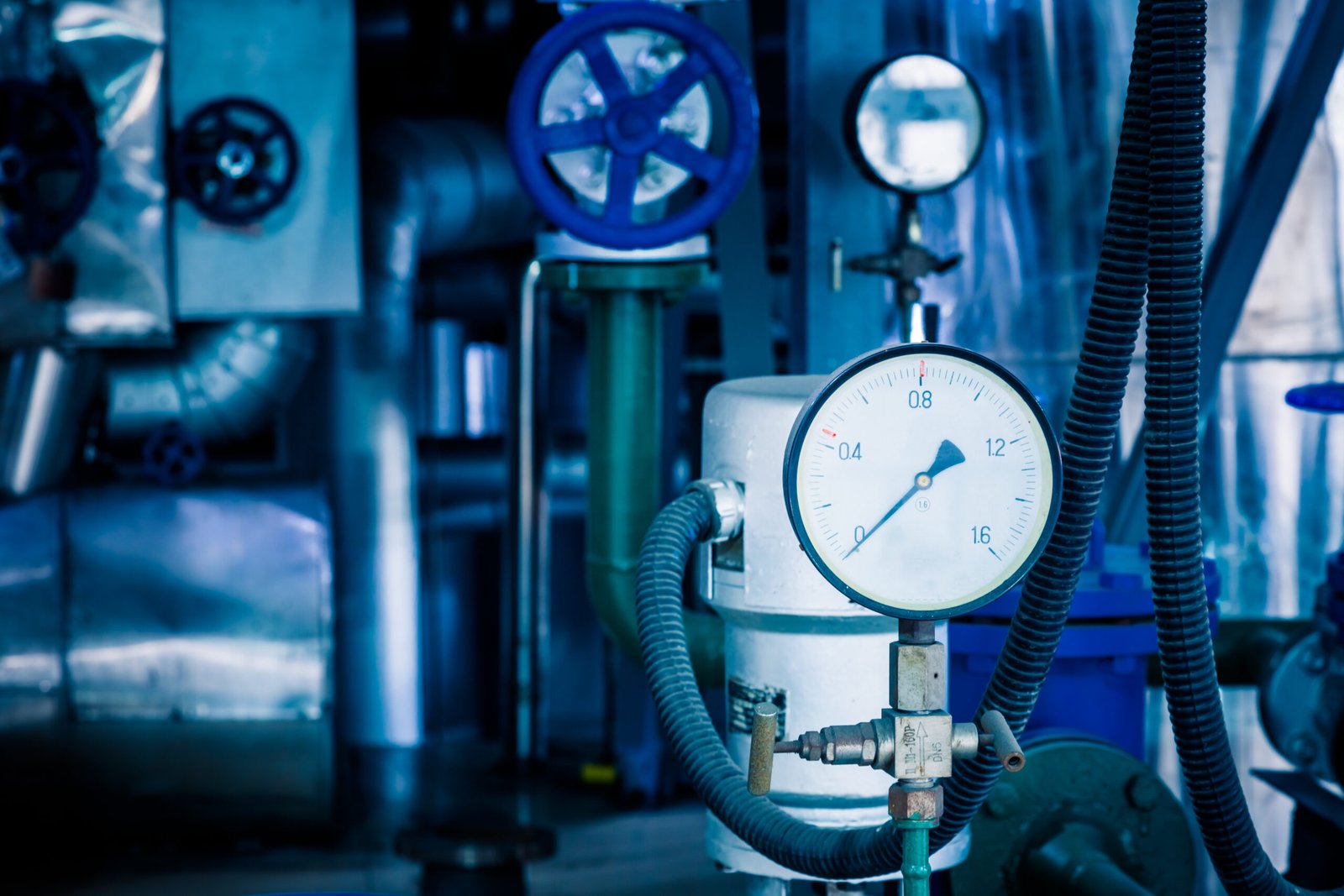
Pressure Instrumentation
Pressure Transducers: Piezoresistive & OEMPressure transducers convert pressure into an electrical output and are widely used by OEMs and machine builders. This page covers…
View range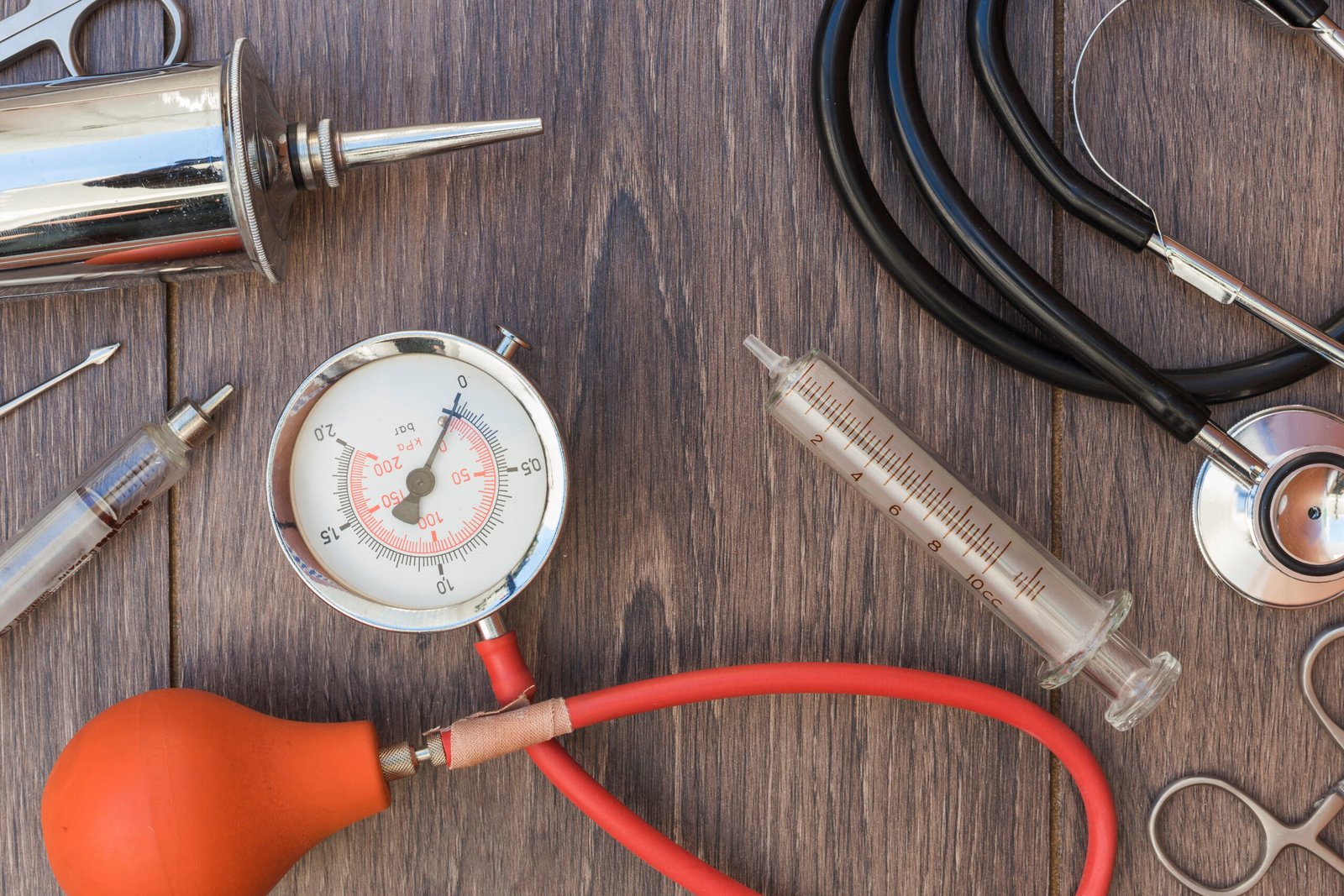
Pressure Instrumentation
Pressure Calibrators: Hand Pumps & Hydraulic ComparatorsPressure calibrators generate and measure known pressures to calibrate gauges, transmitters and switches. This page covers pneumatic hand…
View rangePressure Instrumentation
Keller Digital Manometers: LEO-2, ECO-2 & Record TypesDigital manometers display pressure on the instrument and are used for service, calibration and testing. This page covers Keller models…
View range
Pressure Instrumentation
Keller Digital Pressure Gauges for CalibrationDigital pressure gauges give a precise numeric reading for calibration, testing and service work. This page lists Keller digital gauges…
View range
Pressure Instrumentation
Pressure Gauges: Bourdon, Diaphragm & CapsuleMechanical pressure gauges show pressure locally at pumps, vessels and pipelines. This page covers gauges for gauge, absolute and…
View range
Pressure Instrumentation
Pressure Sensors & Transmitters (VSAN PT Series)Pressure transmitters turn process pressure into a signal for control systems. The VSAN PT series on this page uses a silicon…
View range
Pressure Instrumentation
Keller LEO-3 Digital Pressure Transmitter / ManometerThe Keller LEO-3 is an intelligent pressure transmitter with a built-in digital display, offering a 4-20 mA output and RS485 interface. It…
View rangePressure Instrumentation
WIKA Pressure Gauge 50 mm Dial with Back ConnectionA 50 mm dial pressure gauge with back connection fits small panels, machines and equipment where space is limited and the gauge must face…
View rangePressure Instrumentation
WIKA Pressure Gauge 63 mm Dial with Bottom ConnectionA 63 mm dial pressure gauge with bottom connection is a common choice for pipe-mounted pressure monitoring on pumps, compressors and…
View rangeHow it works
Types and how to choose
Most industrial pressure instruments use an elastic element that deflects under pressure. In a mechanical gauge, a Bourdon tube straightens slightly and drives a pointer through a movement. In electronic devices the same deflection, or the deflection of a diaphragm, is converted to an electrical signal by a strain gauge, piezoresistive silicon or capacitive cell, then conditioned into an output such as 4–20 mA or voltage.
Gauges suit local indication where no signal is needed. Sensors and transmitters are chosen when a PLC, DCS or data logger must read the value. A transducer usually gives a voltage or millivolt output, while a transmitter gives a conditioned, loop-powered signal. Digital gauges and manometers add a display and sometimes logging, and are popular for gas and low-pressure work.
Beyond type, three decisions matter most. First, the reference: gauge, absolute or differential. Second, media compatibility: aggressive, viscous or crystallising fluids may need diaphragm seals or special wetted materials. Third, the environment: vibration, pulsation and temperature call for liquid filling, snubbers or cooling elements. Calibrators then keep instruments in tolerance; see our pressure calibrators and pressure transmitters.
| Type | Best suited for | Consider when |
|---|---|---|
| Bourdon pressure gauge | Local indication on pumps, compressors and lines | A remote signal is needed |
| Digital pressure gauge / manometer | Precise local reading, low pressure and gas work | Area is hazardous or battery power is unsuitable |
| Pressure transmitter | Sending a 4–20 mA signal to PLC or DCS | Only a local reading is needed |
| Pressure transducer / sensor | OEM machines and embedded measurement | Standard loop-powered output is required |
| Piezoresistive transmitter | Compact, general-purpose process measurement | Media is highly viscous or corrosive without a seal |
| Differential pressure device | Filter condition, flow and level by pressure difference | Only a single-point pressure is needed |
| Pressure calibrator | Checking and adjusting instruments in the field | Routine lab calibration already covers your needs |
Selection guide
Parameters to specify
Send these with your enquiry for an accurate, like-for-like quotation.
Typical applications
- Pump and compressor discharge monitoring
- Hydraulic and pneumatic systems
- Boiler and steam lines
- Filter differential pressure checks
- Tank level by hydrostatic pressure
- Gas pipeline and regulator stations
- Test benches and hydro-test setups
Industries
- Oil and gas
- Chemical and process
- Power and utilities
- Water and wastewater
- Pharmaceutical and food
- Machine building (OEM)
FAQ
Frequently asked questions
Answers to the questions buyers most often ask before requesting a quotation.
What is the difference between a pressure transmitter and a pressure transducer?
Both convert pressure to an electrical signal. A transducer usually outputs a raw or lightly conditioned voltage or millivolt signal and is common in OEM equipment. A transmitter adds signal conditioning and typically provides a standard output such as 4–20 mA that holds up well over long cable runs in plants. Tell us your controller input and cable length and we can suggest which fits.
How do I select the range of a pressure gauge?
Choose a range so that normal operating pressure falls in the middle portion of the scale, with headroom above for peaks. Running a gauge near full scale shortens its life, and reading too low on a wide range loses resolution. Share the minimum, normal and maximum pressure and any known surges so the range can be matched.
When do I need a diaphragm seal?
A diaphragm seal isolates the instrument from media that are corrosive, very viscous, crystallising or hygienic-critical. It transmits pressure through a fill fluid, protecting the sensing element and easing cleaning. It adds cost and affects response, so we usually recommend it only when the process medium would damage or clog a standard connection.
What should I send to get a quotation for a pressure instrument?
Please share the medium, pressure range and reference type, process connection, required accuracy, output signal, ambient and process temperature, and whether the area is hazardous. If you want a specific brand or model, mention it. We will confirm options and revert with a quotation based on what we can source.
How often should pressure instruments be calibrated?
Interval depends on criticality, operating conditions and your quality system. Safety and custody-related instruments are checked more often than general indicators. Many plants set intervals from drift history. A portable calibrator lets maintenance teams verify instruments in place between lab calibrations. Share the instrument tag and service conditions if you need help planning a calibration plan or a suitable calibrator.
Technical resources
Related selection guides
Pressure Measurement
How to Select a Pressure Transmitter: A Practical GuideA pressure transmitter converts process pressure into a standard electrical signal. This guide walks through the parameters that decide a correct selection: pressure type, range, output, wetted materials, process connection, temperature, accuracy and hazardous-area needs, and what to send for a quotation.
Read guidePressure Measurement
Pressure Transmitter vs Pressure Transducer vs Pressure SensorThe three terms are often used interchangeably but describe different levels of signal processing. A sensor is the sensing element, a transducer adds basic conversion to a voltage or similar output, and a transmitter delivers a conditioned industrial signal such as 4–20 mA. This guide compares them.
Read guideLooking for a pressure gauge, transmitter or calibrator?
Send the medium, pressure range, process connection and output signal, and we will help you shortlist and quote.