- Home
- Industries
- Pumps for Bio Gas Industry
Biogas Pumps
Pumps for Biogas Plants: Substrate, Slurry & Digestate
Pumps for biogas service must cope with fibrous substrates, high solids and a potentially hazardous gas atmosphere. The sections below outline the types commonly specified for substrate feeding to digesters, digestate and slurry transfer and related duties.
- Pump types covered: Rotary Pumps, Positive Displacement Pumps, Eccentric Spiral Pump or Rotary-displacement Pumps, Rotary Piston Pump, Centrifugal Pumps
- Selection guidance for biogas duty: fluid, flow, head and materials
- Brand and model options sourced to your duty point
- Sourcing support and quotation from Flotronics
Application-first selection
Tell us the medium, range and conditions — we match the product type to the duty.
Multi-category sourcing
Instruments, valves, filters, pneumatics and pumps on one enquiry.
Quotation against your specs
Every quote references the parameters you sent, so comparisons are like-for-like.
Engineer-to-engineer support
Ask a technical question before you commit to a model.
Biogas Pumps
Range, specifications & options
Confirm specifications against the datasheet for your exact model before ordering.
Need a quote for Pumps for Bio Gas Industry?
Send the model or your operating parameters — unsure of a value? Mark it unknown and we will help. Monday to Saturday, 10:00 AM – 5:30 PM.
Powering a Greener Future with Pumpscart Biogas Solutions
Discover the Future of Sustainable Energy with Pumpscart! Our Advanced Pumps Drive Efficiency, Reliability, and Environmental Responsibility in the Biogas Industry. Join the Movement Toward a Greener Tomorrow!
Pumpscart is your trusted partner in the biogas industry, providing cutting-edge pump solutions that drive sustainability and efficiency. Our innovative pumps are designed to optimize every stage of biogas production, from feedstock handling to gas compression and more. With a commitment to environmental responsibility and technological advancements, we empower biogas facilities to maximize output while minimizing their carbon footprint. Choose Pumpscart for a cleaner, greener, and more sustainable future in biogas production.s
Types of Pumps Used in the Biogas Industry
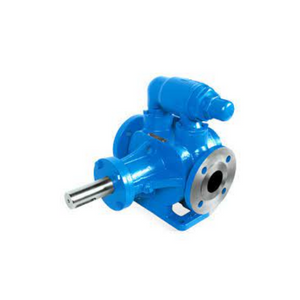
Rotary Pumps
Rotary pumps operate with a rotor which presses the liquid against the outside wall of the rotor chamber. Rotary pumps are very common in liquid manure technology. They are simple and robust and used mainly for substrates of less than 8% solids content. The quantity conveyed per time unit depends largely on the height of lift or the conveying pressure. The maximum conveying pressure is between 0,8 and 3.5 bar. The quantity that can be conveyed varies from 2 to 6 m3per min. at a power input of 3 – 15 kW.
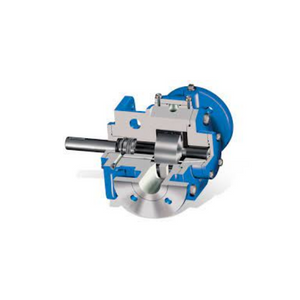
Positive Displacement Pumps
Pumpscart Pumps offers a range of positive displacement pumps designed to handle the various stages of biogas production efficiently. These pumps play a crucial role in transferring organic feedstock into digesters, ensuring a consistent supply for optimal gas production.
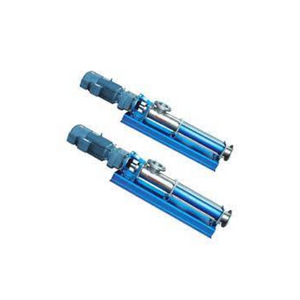
Eccentric Spiral Pump or Rotary-displacement Pumps
This pump has a stainless steel rotor, similar to a cork screw, which turns in an elastic casing. The action of the rotor produces an advancing space in which the substrate is transported. Eccentric spiral pumps can suck from a depth of up to 8.5m and can produce a pressure of up to 24 bar. The are, however, more susceptible to obstructive, alien elements than rotary pumps. Of disadvantage is further the danger of fibrous material wrapping round the spiral.
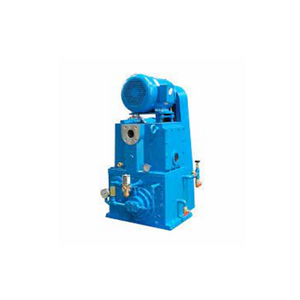
Rotary Piston Pump
Rotary displacement pumps have two counter-rotating rotary pistons with between two and six lobes in an oval body. The two pistons counter-rotate and counter roll with low axial and radial clearance, touching neither each other nor the body of the pump. Their geometry is such that in every position a seal is maintained between the suction side and the discharge side of the pump. They can pump and suck as well and achieve pressures of up to 10 bar. The potential quantity conveyed ranges from 0.5 to 4 m3/min.
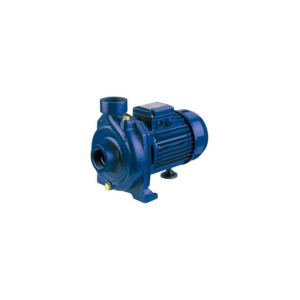
Centrifugal Pumps
Our centrifugal pumps are tailored to efficiently handle biogas, whether it’s for gas compression, gas transfer, or heat exchange within the anaerobic digestion process. These pumps are designed to maximize process efficiency.
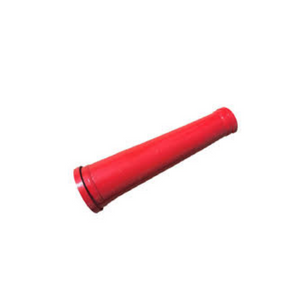
Pump Delivery Lines
Pump delivery lines can be made of steel, PVC (rigid) or PE (rigid or flexible), as well as appropriate flexible pressure tubing made of reinforced plastic or rubber. Solid substrate, e.g. dung, can also be handled via conveyor belt, worm conveyor or sliding-bar system, though none of these could be used for liquid manure. When liquid manure is conducted through an open gutter, small weirs or barrages should be installed at intervals of 20-30 m as a means of breaking up the scum layer.
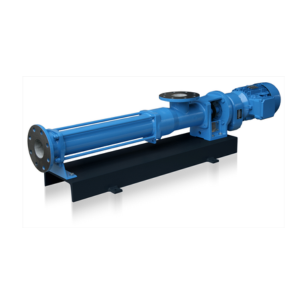
Screw Pumps
Pumpscart’s screw pumps excel in transferring biogas, a crucial step in the biogas upgrading process. These pumps ensure that biogas can be effectively compressed, stored, and transported for various applications.
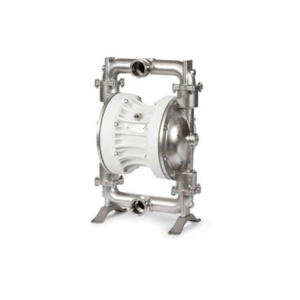
Diaphragm Pumps
Our diaphragm pumps are ideal for handling feedstock materials. They provide a clean and precise way to transfer organic waste into digesters, maintaining the integrity of the anaerobic digestion process.
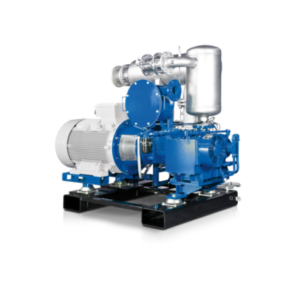
Specialized Pumps
Pumpscart offers specialized gas compressors for efficiently compressing biogas, ensuring it’s ready for storage or transportation. We also provide mixing and agitation pumps that are vital in optimizing gas production and preventing crust formation.
Applications of Pumps in the Biogas Industry
1. Feedstock Handling
Pumpscart Pumps play a pivotal role in the initial phase of biogas production, pumping organic waste materials into digesters. Our pumps ensure a consistent and reliable feedstock supply, contributing to efficient gas production.
2. Digestate Management
We offer solutions for managing digestate, the byproduct of the anaerobic digestion process. Our pumps facilitate the transfer and responsible management of digestate for further use or disposal, reducing environmental impact.
3. Gas Compression
Pumpscart’s gas compressors ensure efficient compression of biogas, preparing it for storage and transportation. We contribute to biogas upgrading processes, where higher methane content is essential.
4. Heat Transfer
Our pumps assist in transferring heat within the anaerobic digestion process, optimizing microbial activity and gas production. This heat recovery process contributes to increased overall efficiency.
5. Gas Mixing and Agitation
Pumpscart’s specialized pumps maintain proper mixing in the digesters, ensuring an optimal environment for anaerobic digestion. This prevents crust formation and maximizes biogas production
Technological Advancements and Innovations
1. Smart Pumping Systems
Pumpscart integrates advanced sensors and automation into our pumping systems for precise control and monitoring. These systems improve process efficiency and reliability, ultimately reducing operational costs.
2. Energy Efficiency and Sustainability
Our commitment to sustainability is reflected in the energy-efficient pump technologies and environmentally responsible designs we offer, supporting the biogas industry’s environmental goals.
3. Remote Monitoring and Control
Pumpscart embraces cutting-edge technology for remote monitoring and control, allowing biogas facility operators to manage pumping systems efficiently, even from a distance.
Challenges and Solutions
1. Corrosion and Abrasion
Pumpscart Pumps addresses challenges such as corrosion and abrasion through carefully selected materials and coatings, ensuring the longevity and performance of our pumps in the harsh biogas environment.
2. Maintenance and Reliability
We understand the importance of regular maintenance in biogas facilities. Pumpscart Pumps employs predictive maintenance strategies to ensure reliable, continuous operation, minimizing downtime and associated costs.
3. Environmental Regulations
Our pumps are designed to help biogas facilities comply with environmental standards and emissions control. Pumpscart contributes to reducing the carbon footprint of biogas production, aligning with industry and global sustainability goals.
In conclusion, Pumpscart Pumps plays a pivotal role in the success and sustainability of the biogas industry. Our commitment to innovation, efficiency, and environmental responsibility ensures that the production and utilization of biogas continue to thrive—partner with Pumpscart for the future of sustainable energy.
Certainly, here’s a set of frequently asked questions for the biogas industry pumps application
Selection guide
What to specify for an accurate quotation
These parameters decide which variant suits your duty. Send what you know — unknown values can be marked for engineering assistance.
Typical applications
- Substrate feeding to digesters
- Digestate and slurry transfer
- Digester mixing and recirculation
- Sludge and effluent handling
- Gas-handling auxiliaries
FAQ
Frequently asked questions
Answers to the questions buyers most often ask before requesting a quotation.
Which pump types are used in biogas applications?
The page covers Rotary Pumps, Positive Displacement Pumps, Eccentric Spiral Pump or Rotary-displacement Pumps, Rotary Piston Pump, Centrifugal Pumps. The right choice depends on the fluid, solids content, viscosity, flow and head. Send us your process details and we will shortlist suitable options and confirm the selection with the source before quoting.
What should I specify when choosing a pump for biogas service?
Give the fluid and its properties, flow rate, total head, operating temperature and materials needed. For this industry, also confirm solids content and area classification. With these details we can compare pump types, check suitability with the source and prepare an accurate quotation for your plant.
What is biogas pump?
Biogas Production. Bio-Mix pump is used to mix and transfer slurry made of macerated bio-waste and digestate liquid into fermentation.
Is biogas a source of energy for pumps?
Using biogas for pumps in irrigation is gaining in popularity in India and elsewhere, as the savings in petroleum fuel prices are great. A diesel pump can also be converted into a bio-gas pump used for pumping water.
Pump Applications in Biogas Industry
Feeding highly viscous bio-waste slurry to fermentation tanks.
Recirculation of fermentation tank slurry and feeding to digestate storage tanks
Mixing of Bio-waste with the digestate slurry
Transfer of digestate to bio-mix unit & open lagoon/storage tank
Transferring Organic Manure from open lagoon/storage tanks to tankers
Biogas pump specifications
Head 1.8-10.8 mm
Max Flow Rate 400-100 lpm
Frequency 50-60Hz
Voltage 0.75 kW
Brand Green connect
Related
Related products & guides
Need a pump for biogas service?
Send the fluid, flow rate, head, temperature and site conditions, and we will help shortlist suitable pumps and prepare a quotation.