- Home
- Products
- Industrial Pumps
- Speciality Pumps
Specialty Pumps
Specialty Pumps: Magnetic Drive, AODD, Metering & Peristaltic
Specialty pumps handle duties that standard centrifugal pumps struggle with, such as corrosive chemicals, precise dosing, shear-sensitive fluids and high-pressure injection. This page covers magnetic drive, air-operated double diaphragm, metering, peristaltic hose, high-pressure plunger and gear pumps, and compares their working principles and typical uses.
- Magnetic drive and AODD pumps
- Metering and peristaltic hose pumps
- High-pressure plunger pumps and gear pumps
- Working principles and typical uses outlined
Application-first selection
Tell us the medium, range and conditions — we match the product type to the duty.
Multi-category sourcing
Instruments, valves, filters, pneumatics and pumps on one enquiry.
Quotation against your specs
Every quote references the parameters you sent, so comparisons are like-for-like.
Engineer-to-engineer support
Ask a technical question before you commit to a model.
Specialty Pumps
Range, specifications & options
The right choice depends on fluid properties, flow, pressure and accuracy needs. Flotronics supplies pumps and can source specialty pumps against your duty: send the fluid, flow, pressure, temperature and site conditions, and we will help shortlist options and prepare a quotation. Confirm specifications against the datasheet for your exact model before ordering.
Need a quote for Speciality Pumps?
Send the model or your operating parameters — unsure of a value? Mark it unknown and we will help. Monday to Saturday, 10:00 AM – 5:30 PM.
Elevate Your Operations with Pumpscart - Your Speciality Pumps Experts
Discover precision, innovation, and tailored solutions at Pumpscart - your trusted destination for specialty pumps. Specialty pumps for demanding fluid handling. From unique applications to industry-specific demands, we bring you a curated selection of specialty pumps. Elevate your efficiency, reliability, and performance. Your journey to exceptional fluid solutions starts here, with Pumpscart - where expertise meets excellence.
Multi-stage pumps are a versatile category of centrifugal pumps known for their exceptional ability to generate high pressure or head, making them invaluable across various industries. In this guide, we explore different types of multi-stage pumps, their descriptions, working principles, specifications, and common applications.
Magnetic Drive Pumps
AODD (Air-Operated Double Diaphragm) Pumps
Metering Pumps
Peristaltic Hose Pumps
High-Pressure Plunger Pumps
Gear Pumps for High Viscosity Liquids
Cryogenic Pumps
Sanitary Pumps
Slurry Pumps
High-Temperature Pumps
Progressive Cavity Pumps
Hygienic Piston Pumps
Submersible Pumps
Self-Priming Pumps
Vertical Turbine Pumps
High-Capacity Slurry Pumps
Progressive Cavity Dosing Pumps
Multistage Centrifugal Pumps
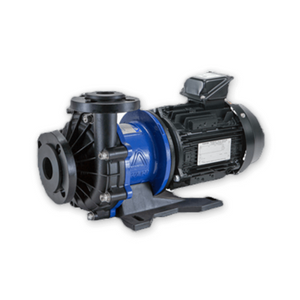
Magnetic Drive Pumps
Magnetic Drive Pumps
Magnetic drive pumps are designed to eliminate the need for mechanical seals, preventing fluid leakage and ensuring a secure, leak-free operation. They find application in industries where the containment of hazardous or expensive fluids is critical.
Working Principle:
These pumps operate using a magnetic coupling that transfers torque from the motor to the impeller through magnetic fields. The absence of a mechanical seal ensures zero leakage, making them ideal for handling toxic, corrosive, or expensive fluids.
Specifications:
| Pressure Range: | Suitable for low to moderate pressure applications. |
| Flow Rate: | Variable, with options for both low and high flow rates. |
| Materials: | Typically constructed with corrosion-resistant materials such as plastic or ceramics. |
| Applications: | Commonly used in chemical processing, pharmaceuticals, and where fluid containment is crucial. |
AODD (Air-Operated Double Diaphragm) Pumps
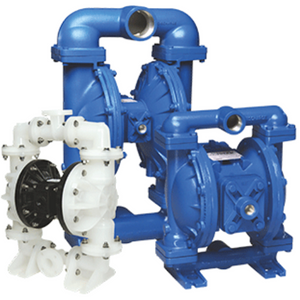
AODD (Air-Operated Double Diaphragm) Pumps
AODD pumps are versatile and robust, suitable for handling a wide range of fluids, including viscous, abrasive, and shear-sensitive materials. They operate using compressed air and offer reliable, pulsation-free flow.
Working Principle:
These pumps consist of two diaphragms that move back and forth, drawing in and expelling the fluid. The reciprocating motion is powered by compressed air, allowing for gentle handling of sensitive materials.
Specifications:
| Pressure Range: | Suited for low to moderate pressure applications, including those in the chemical and food industries. |
| Flow Rate: | Variable, offering precise control over flow rates. |
| Materials: | Configured with materials compatible with various fluids, often with options for hygienic applications. |
| Applications: | Widely used in the chemical, food and beverage, and wastewater industries for efficient and gentle fluid handling. |
Metering Pumps
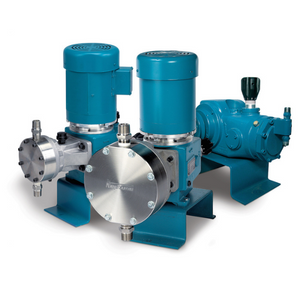
Metering Pumps
Metering pumps are designed for precision dosing and accurate flow control. They are vital in applications where precise chemical dosing is essential, such as water treatment and chemical processing.
Working Principle:
These pumps operate using a reciprocating piston or diaphragm to precisely displace a fixed volume of fluid with each stroke. The stroke rate and stroke length can be adjusted for accurate dosing.
Specifications:
| Pressure Range: | Suitable for low to moderate pressure applications. |
| Flow Rate: | Capable of delivering precise, adjustable flow rates. |
| Materials: | Configured with materials compatible with a wide range of chemicals. |
| Applications: | Essential for chemical dosing in water treatment, pharmaceuticals, and industrial processes where precise measurements are critical. |
Peristaltic Hose Pumps
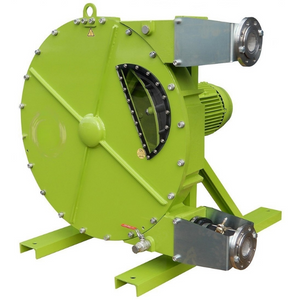
Peristaltic Hose Pumps
Peristaltic hose pumps utilize a flexible hose to transport fluids without coming into contact with the pump's moving parts. They excel in shear-sensitive and abrasive fluid applications.
Working Principle:
These pumps operate by squeezing a flexible hose or tube using rollers or shoes, creating a wave-like motion that propels the fluid without touching any pump components.
Specifications:
| Pressure Range: | Suited for low to moderate pressure applications. |
| Flow Rate: | Precise control over flow rates, making them ideal for dosing and gentle fluid handling. |
| Materials: | Hose or tube material depends on compatibility with the fluid being pumped. |
| Applications: | Commonly used in pharmaceuticals, food and beverage, and chemical industries for accurate dosing and gentle fluid handling. |
High-Pressure Plunger Pumps
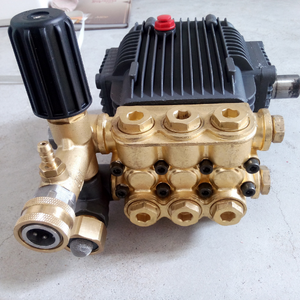
High-Pressure Plunger Pumps
High-pressure plunger pumps are designed for extreme pressure applications, such as water jet cutting, industrial cleaning, and high-pressure water transfer.
Working Principle:
These pumps use one or more plungers to create high-pressure fluid movement. As the plungers reciprocate, they generate intense pressure, making them suitable for applications requiring extremely high pressures.ss
Specifications:
| Pressure Range: | Ideal for applications requiring very high pressures. |
| Flow Rate: | Variable, depending on the design and application. |
| Materials: | Constructed with durable materials capable of withstanding high pressures. |
| Applications: | Commonly used in water jet cutting, industrial cleaning, and high-pressure water transfer applications. |
Gear Pumps for High Viscosity Liquids
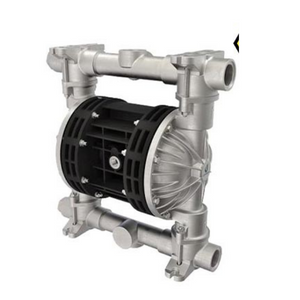
Gear Pumps for High Viscosity Liquids
Gear pumps for high-viscosity liquids are designed to handle thick, viscous fluids such as oils, molasses, and asphalt. These pumps are indispensable in industries where the precise transfer of highly viscous materials is crucial.
Working Principle:
Gear pumps use the meshing action of two interlocking gears to transfer fluids. The fluid is trapped between the gear teeth and transported from the inlet to the outlet, ensuring a steady flow of high-viscosity liquids.
Specifications:
| Pressure Range: | Typically used in low to moderate-pressure applications. |
| Flow Rate: | Variable, depending on the design, suitable for handling viscous materials. |
| Materials: | Designed with materials that can withstand the viscosity and temperature of the handled fluids. |
| Applications: | Widely used in industries like petrochemicals, food processing, and construction for the transfer of high-viscosity liquids. |
Cryogenic Pumps
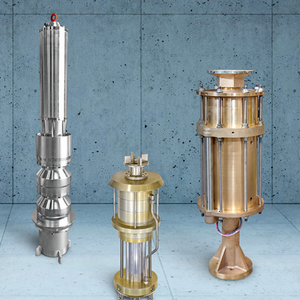
Cryogenic Pumps
Cryogenic pumps are engineered to handle extremely low-temperature fluids, often found in applications involving the transfer and storage of liquefied gases, such as liquid nitrogen or liquefied natural gas (LNG).
Working Principle:
These pumps employ specialized components and materials that can operate effectively at cryogenic temperatures. They use a variety of mechanisms, such as reciprocating pistons or centrifugal impellers, to handle cryogenic fluids safely and efficiently.
Specifications:
| Pressure Range: | Suited for applications requiring low to moderate pressure in cryogenic environments. |
| Flow Rate: | Variable, depending on the design and application. |
| Materials: | Constructed with materials that can withstand extreme cold and the properties of cryogenic fluids. |
| Applications: | Commonly used in the medical, pharmaceutical, and energy industries for handling and transferring cryogenic fluids. |
Sanitary Pumps
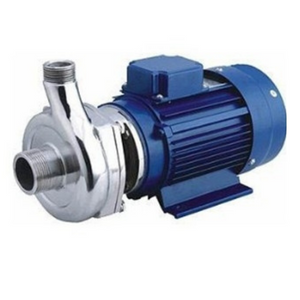
Sanitary Pumps
Sanitary pumps are designed to meet stringent hygiene standards required in food, pharmaceutical, and biotechnology industries. They are essential for applications where the prevention of contamination and ensuring product integrity are paramount.
Working Principle:
Sanitary pumps operate using a variety of mechanisms, including diaphragms, impellers, and peristaltic designs. They are constructed with materials that meet strict sanitary standards and can be easily cleaned and sterilized.
Specifications:
| Pressure Range: | Suited for low to moderate pressure applications. |
| Flow Rate: | Variable, with options for both low and high flow rates. |
| Materials: | Constructed with materials that meet or exceed sanitary standards, such as stainless steel and food-grade elastomers. |
| Applications: | Essential for the hygienic handling and transfer of food, pharmaceuticals, and biotechnology products, as well as in clean-in-place (CIP) processes. |
Slurry Pumps
Slurry Pumps
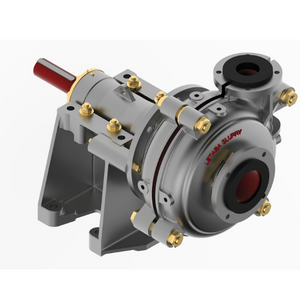
Slurry pumps are designed to handle abrasive and solid-laden fluids commonly found in mining, mineral processing, and industrial wastewater applications. They are built to withstand the challenging conditions of these industries.
Working Principle:
These pumps use a variety of mechanisms, such as centrifugal impellers or screw spindles, to handle slurry. They are constructed with materials and features that resist wear and abrasion.
Specifications:
| Pressure Range: | Suited for low to moderate pressure applications in abrasive environments. |
| Flow Rate: | Variable, depending on the design and the solids content of the slurry. |
| Materials: | Constructed with materials that can withstand the abrasion and corrosion caused by solid particles in the fluid. |
| Applications: | Widely used in mining, mineral processing, and wastewater treatment industries for handling abrasive and solid-laden slurries. |
High-Temperature Pumps
High-Temperature Pumps
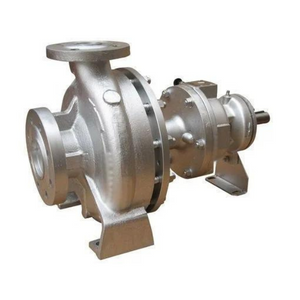
High-temperature pumps are specially designed to handle extremely hot fluids, often encountered in industrial processes, power generation, and chemical applications. They are engineered to withstand and efficiently transfer these elevated-temperature fluids.
Working Principle:
These pumps use various mechanisms, such as centrifugal impellers or multistage designs, to handle hot liquids. They are equipped with materials and features that can endure the elevated temperatures without compromising performance.
Specifications:
| Pressure Range: | Suitable for applications requiring moderate to high pressure in high-temperature environments. |
| Flow Rate: | Variable, dependent on the design and the specific heat properties of the fluid. |
| Materials: | Constructed with high-temperature-resistant materials, including alloys, ceramics, or refractory coatings. |
| Applications: | Commonly used in industries such as power generation, metallurgy, and chemical processing, where the handling of extremely hot fluids is essential. |
Progressive Cavity Pumps
Progressive Cavity Pumps
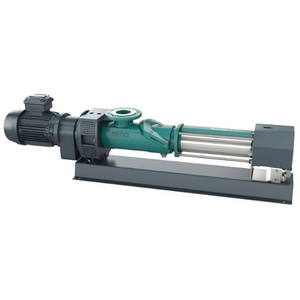
Progressive cavity pumps, also known as helical rotor pumps, are recognized for their ability to handle viscous, shear-sensitive, and abrasive materials. They are extensively used in industries where a steady, gentle fluid flow is essential.
Working Principle:
These pumps function through a helical rotor that moves within a cavity in a stator. This action creates a progressive cavity effect, ensuring a continuous and smooth flow of the fluid from the inlet to the outlet.
Specifications:
| Pressure Range: | Suited for low to moderate pressure applications, including wastewater treatment and industrial processes. |
| Flow Rate: | Adaptable to various flow rate requirements, offering precise control. |
| Materials: | Constructed with materials that resist wear, abrasion, and corrosion. |
| Applications: | Widely used in wastewater treatment, mining, and industrial settings for handling challenging and shear-sensitive fluids. |
Hygienic Piston Pumps
Hygienic Piston Pumps
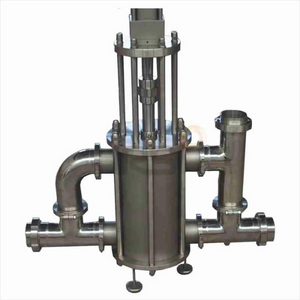
Hygienic piston pumps are designed for applications requiring precise and sterile fluid handling, such as in the pharmaceutical, biotechnology, and food industries. They adhere to strict hygienic standards to prevent contamination.
Working Principle:
These pumps operate using reciprocating pistons that maintain a sterile and sealed chamber. They are constructed with materials that meet or exceed hygienic standards and can be easily sanitized.
Specifications:
| Pressure Range: | Suitable for low to moderate pressure applications in hygienic environments. |
| Flow Rate: | Variable, with options for both low and high flow rates. |
| Materials: | Constructed with materials that meet or exceed sanitary and hygienic standards, such as stainless steel and food-grade elastomers. |
| Applications: | Essential for the hygienic handling and transfer of pharmaceuticals, biotechnology products, and food items, as well as in clean-in-place (CIP) processes. |
Submersible Pumps
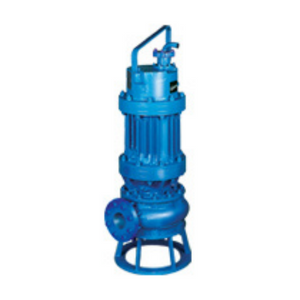
Submersible Pumps
Submersible pumps are designed to operate underwater or in liquids, making them invaluable in applications like sewage pumping, drainage, and well pumping. They are typically sealed to prevent water from entering the motor.
Working Principle:
Submersible pumps work using a hermetically sealed motor that is fully submerged in the liquid being pumped. They use impellers or propellers to move water or other liquids to the surface, making them particularly efficient in applications where the liquid level may vary.
Specifications:
| Pressure Range: | Suitable for low to moderate pressure applications, particularly for well and groundwater pumping. |
| Flow Rate: | Variable, depending on the design and application. |
| Materials: | Constructed with materials and coatings that can resist corrosion and other effects of immersion in various liquids. |
| Applications: | Commonly used in groundwater pumping, sewage and wastewater treatment, and in deep well applications. |
Self-Priming Pumps
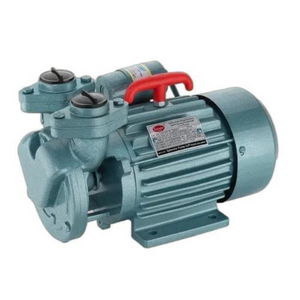
Self-Priming Pumps
Self-priming pumps are designed to automatically remove air from the pump casing and suction line, ensuring that the pump can start and operate without manual priming. They are ideal for applications with intermittent or fluctuating flow requirements.
Working Principle:
These pumps feature a mechanism that allows them to evacuate air and create a vacuum in the suction line. This ensures that the pump is primed, and liquid is readily drawn into the pump, eliminating the need for manual priming.
Specifications:
| Pressure Range: | Suitable for low to moderate pressure applications, including water supply and sewage handling. |
| Flow Rate: | Variable, with options for both low and high flow rates. |
| Materials: | Constructed with materials that can withstand the fluids and conditions of the application. |
| Applications: | Used in various applications such as sewage pumping, water transfer, and irrigation, where automatic priming is advantageous. |
Vertical Turbine Pumps
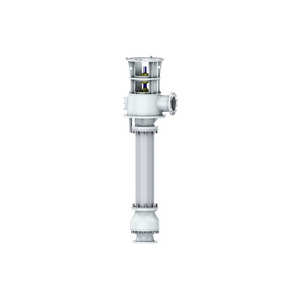
Vertical Turbine Pumps
Vertical turbine pumps are specially designed for applications requiring high flow rates and moderate to high pressures, such as municipal water supply, industrial cooling systems, and agricultural irrigation.
Working Principle:
These pumps consist of multiple impellers stacked on a vertical shaft. Each impeller is responsible for lifting the liquid, and they work in series to achieve the desired pressure and flow rate.
Specifications:
| Pressure Range: | Suited for moderate to high-pressure applications. |
| Flow Rate: | Variable, often used for high flow applications. |
| Materials: | Constructed with materials capable of withstanding the pressure and conditions of the application. |
| Applications: | Widely used in municipal water supply, industrial cooling systems, agricultural irrigation, and any application requiring high-capacity pumping. |
High-Capacity Slurry Pumps
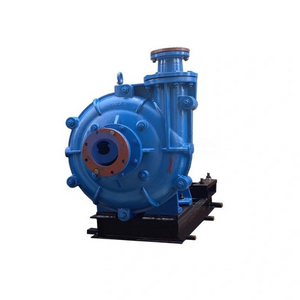
High-Capacity Slurry Pumps
High-capacity slurry pumps are specialized for applications demanding the transfer of substantial quantities of abrasive, solid-laden slurries. They are indispensable in industries such as mining, dredging, and industrial waste management.
Working Principle:
These pumps employ a robust design with larger impellers and enhanced power to efficiently handle high-capacity slurry transfer. They resist wear, abrasion, and clogging, ensuring dependable performance.
Specifications:
| Pressure Range: | Suited for applications requiring low to high pressure in handling high-capacity slurry materials. |
| Flow Rate: | Designed for high-capacity applications, ensuring efficient transfer of large volumes of slurry. |
| Materials: | Constructed with materials capable of withstanding the abrasive nature of slurry materials. |
| Applications: | Commonly used in mining, dredging, and industrial waste management for moving substantial quantities of abrasive slurry. |
Progressive Cavity Dosing Pumps
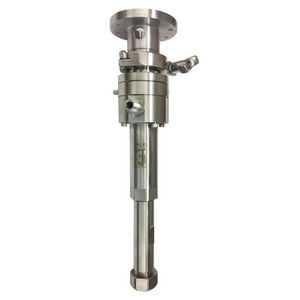
Progressive Cavity Dosing Pumps
Progressive cavity dosing pumps are designed for applications where precise and controlled dosing of fluids is essential. They are commonly used in chemical processing, water treatment, and pharmaceutical industries.
Working Principle:
Similar to standard progressive cavity pumps, these dosing pumps operate using a helical rotor that moves within a cavity in a stator. The design allows for accurate and controlled dosing of fluids.
Specifications:
| Pressure Range: | Pressure Range Suited for low to moderate pressure dosing applications. |
| Flow Rate: | Capable of delivering precise and adjustable dosing rates for chemicals and additives. |
| Materials: | Constructed with materials that resist wear and corrosion, ensuring dosing accuracy. |
| Applications: | Essential for accurate dosing in chemical processing, water treatment, and pharmaceutical processes. |
Multistage Centrifugal Pumps
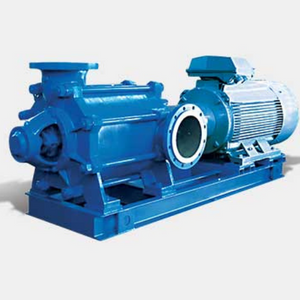
Multistage Centrifugal Pumps
Multistage centrifugal pumps are engineered for applications requiring high pressure and relatively high flow rates. They are common in water supply, boiler feed, and industrial processes.
Working Principle:
These pumps utilize multiple impellers arranged in series to increase pressure gradually. The fluid is continuously accelerated as it passes through each impeller, resulting in high-pressure output.
Specifications:
| Pressure Range: | Ideal for high-pressure applications, including boosting water pressure and delivering fluids over long distances. |
| Flow Rate: | Variable, providing suitable flow rates for a range of applications. |
| Materials: | Constructed with materials that can withstand high pressures and diverse fluid characteristics. |
| Applications: | Widely used in municipal water supply, boiler feed systems, and various industrial processes requiring high-pressure pumping. |
Factors to Consider When Selecting Specialty Pumps:
Fluid Compatibility
When choosing specialty pumps, it's crucial to assess the compatibility of the pump materials with the fluid being handled. Different fluids may require specific materials to prevent corrosion or contamination.
Pressure and Flow Requirements
Consider the pressure and flow rate demands of your application. Specialty pumps come in various configurations to meet low-pressure, high-pressure, and high-flow needs.
Temperature Conditions
Evaluate the temperature of the fluids to ensure the selected pump can withstand the operating conditions without damage or performance degradation.
Fluid Properties
Understand the properties of the fluid, including its viscosity, abrasiveness, and shear sensitivity, as these factors influence the type of specialty pump that is best suited for your application.
Maintenance Considerations
Assess the maintenance requirements for the pump. Some specialty pumps may need more frequent maintenance than others, depending on the complexity of the design.
How We Assist in Decision-Making:
At Pumpscart, we are committed to guiding you through the process of selecting the ideal specialty pump for your specific requirements. Our assistance includes:
Expert Consultation
Our experienced team provides expert consultation to help you identify the right specialty pump that aligns with your application's unique demands.
Product Expertise
We offer comprehensive product knowledge, ensuring you are well informed about the capabilities and specifications of specialty pumps to make informed decisions.
Customization Options
We understand that one size doesn't fit all. We can facilitate the customization of specialty pumps to meet your specific needs when standard configurations may not suffice.
Ongoing Support
Our commitment to you doesn't end with the purchase. We provide continuous support, assisting with installation, maintenance, and troubleshooting to ensure your specialty pump operates optimally.
Tailored Solutions for Your Specific Needs:
We acknowledge that every application is unique. That's why our mission is to provide tailored solutions:
Pump Selection
We assist in selecting the right specialty pump type and model that aligns with your application's pressure and flow rate requirements.
Material Selection
We guide you in choosing materials that are compatible with the fluid properties, temperature conditions, and maintenance needs of your application.
Customization
When necessary, we facilitate the customization of specialty pumps to accommodate specific requirements, ensuring a perfect fit for your operation.
Comprehensive Support
We stand by your side throughout the pump's lifecycle, providing support, maintenance, and guidance to guarantee optimal performance and longevity.
At Pumpscart, we make the selection process straightforward and effective. We don't just sell pumps; we partner with you to ensure you receive the perfect specialty pump for your unique needs, backed by expert guidance and support.
Selection guide
What to specify for an accurate quotation
These parameters decide which variant suits your duty. Send what you know — unknown values can be marked for engineering assistance.
Typical applications
- Corrosive chemical transfer
- Chemical dosing and metering
- Abrasive and viscous slurry handling
- High-pressure cleaning and injection
- Hazardous-area fluid transfer
FAQ
Frequently asked questions
Answers to the questions buyers most often ask before requesting a quotation.
What are specialty pumps and how do they differ from standard pumps?
Specialty pumps are designed for duties outside normal clean-water pumping, such as aggressive chemicals, precise dosing, abrasive or viscous fluids and hazardous areas. They use different mechanisms, such as diaphragms, peristaltic hoses or magnetic drives, to suit the fluid. If you are unsure, share your application details through Ask an Engineer and we will confirm the suitable option before quoting.
What factors should I consider when selecting a specialty pump?
Consider fluid properties, flow and pressure, accuracy needs, materials, temperature and hazardous-area requirements. Tell us these details and we will compare pump types and propose a suitable shortlist. If you are unsure, share your application details through Ask an Engineer and we will confirm the suitable option before quoting.
Can specialty pumps be customised to specific requirements?
Many specialty pumps offer options in materials, seals, drives and mounting. Flotronics can check available options with the source against your specification. Share the details through Request a Quote and we will respond with feasible configurations and commercial terms. If you are unsure, share your application details through Ask an Engineer and we will confirm the suitable option before quoting.
What factors should I consider when selecting a specialty pump for my application?
Key factors include fluid compatibility, pressure and flow requirements, temperature conditions, fluid properties, and maintenance considerations. Consulting with pump experts is advisable to make an informed choice.
Can specialty pumps be customized to meet specific requirements?
Yes, many specialty pumps can be customized to align with the unique demands of your application. Customization options may include material selection, flow rate adjustments, and special features.
Are specialty pumps more expensive than standard pumps?
The cost of specialty pumps can vary depending on the complexity of the design and customization requirements. While they may be pricier than standard pumps, their enhanced performance and tailored solutions often justify the investment.
Related
Related products & guides
Need a specialty pump for a difficult fluid?
Send the fluid, flow, pressure, temperature and site conditions, and we will help shortlist suitable pumps and quote.