Product family
Industrial Filters & Strainers: Y, T, Duplex and Disc Types
Filters and strainers protect pumps, valves, nozzles and instruments from debris, and clean process fluids to the level your operation needs. Flotronics supplies strainers (Y-type, T-type, duplex, conical and temporary), disc filters, micron and pressure filters, oil filters, activated carbon filters and replacement filter elements.

Application-first selection
Tell us the medium, range and conditions — we match the product type to the duty.
Multi-category sourcing
Instruments, valves, filters, pneumatics and pumps on one enquiry.
Quotation against your specs
Every quote references the parameters you sent, so comparisons are like-for-like.
Engineer-to-engineer support
Ask a technical question before you commit to a model.
Product types
Filtration & Strainers — categories
A strainer is a coarse mechanical screen, whereas a filter removes finer particles and may use a cartridge or element. The right choice depends on the fluid, the particle size to be removed, flow rate, pressure drop limits and how often you can service the unit. Share your line details and we will help you select and quote. Choose a category to see the range, specifications and quotation details.
Filtration & Strainers
Industrial Strainers: Basket, Duplex, Y-Type & Self-CleaningIndustrial strainers protect pumps, valves, meters and heat exchangers by catching debris in the pipeline. This page covers stainless steel…
View range
Filtration & Strainers
Filters & Filtration Systems: Basket, Y-Type & Self-CleaningThis category covers self cleaning filters, Y-type strainers, basket type filters and simplex, semi-jack and duplex basket filters for…
View range
Filtration & Strainers
Industrial Strainers: Self-Cleaning, Duplex, Basket & Pump LineIndustrial strainers protect pumps, valves, meters and process equipment by retaining solid particles carried in a liquid or gas stream.…
View range
Filtration & Strainers
Duplex, Self-Cleaning & Y-Type StrainersStrainers protect pumps, compressors, condensers and process equipment by removing particles from the line. Duplex strainers allow flow to…
View range
Filtration & Strainers
Self-Cleaning, Bag, T-Type & Liquid FiltersIndustrial liquid filters protect pumps, heat exchangers and process lines from solids. This page covers self cleaning filters with…
View range
Filtration & Strainers
Conical Strainers: Flat Bottom, Round Bottom & Heavy DutyConical strainers protect pumps, compressors and instruments by catching debris in the pipeline, and are widely used as temporary start-up…
View range
Filtration & Strainers
Temporary & Start-Up Strainers: Plate, Pump, Steam & Teflon-LinedTemporary strainers protect pumps, compressors and instruments from weld slag, scale and construction debris during pipeline start-up and…
View range
Filtration & Strainers
T-Type & Basket Strainers: FRP, Rubber-Lined & SuctionT-type and basket strainers retain solids upstream of pumps, meters and valves, protecting equipment and keeping process fluids clean. This…
View range
Filtration & Strainers
Y Strainers: SS, Brass, Socket Weld and PTFE LinedA Y strainer removes unwanted solids from liquid, gas or steam lines with a perforated or wire mesh screen, protecting pumps, meters,…
View range
Filtration & Strainers
Compressed Air Filter Elements: Pre, Fine, Micro & Carbon GradesFilter elements are the replaceable part of a compressed air filter housing, and the grade you choose sets how much oil and particulate…
View range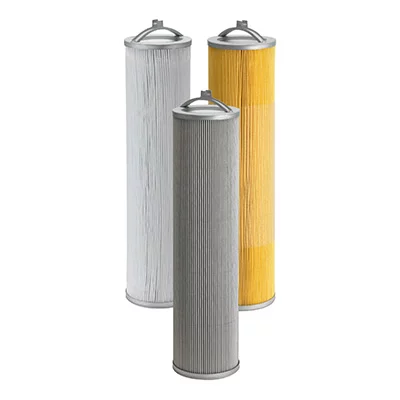
Filtration & Strainers
Fine Filters for Compressed Air (Pocket & Extended Surface)Fine filters are extended-surface filters used to catch fine dust and oil mist in compressed air, and can be built in rigid pocket or soft…
View range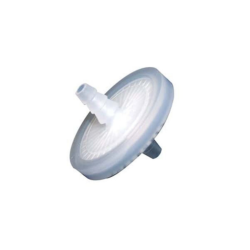
Filtration & Strainers
Stainless Steel Disc FiltersStainless steel disc filters are round perforated or mesh discs used as filter plates and screens in chemical and process equipment. This…
View range
Filtration & Strainers
Stainless Steel Micron Filters for Water & Petrochemical DutyMicron filters remove fine particles from liquids to protect downstream equipment and meet process cleanliness needs. The page lists…
View rangeHow it works
Types and how to choose
Both strainers and filters trap solids as fluid passes through a screen or medium, but they work at different scales. Strainers use perforated or mesh screens to stop larger particles that could damage pumps, valves, meters or steam traps. Filters use media such as cartridges, discs or carbon beds to capture finer particles or specific contaminants.
Strainer body type depends on layout and servicing. A Y-strainer is compact and suits horizontal or angled runs. A T-type offers larger screen area and easier access. A duplex strainer has two baskets so you can switch and clean one while the other stays in service, which is useful where shutdown is costly. Conical (temporary) strainers sit between flanges during commissioning to protect equipment from construction debris.
For filters, the key parameter is the micron rating, the particle size the element is designed to retain. Disc filters use stacked grooved discs and are common in irrigation and water treatment. Activated carbon removes chlorine, odour and dissolved organics. Oil filters protect lubrication and hydraulic circuits. Pick the finest rating the process needs, not the finest available, since tighter filtration raises pressure drop and cleaning frequency. Related pages include industrial strainers, filter elements and disc filters.
| Type | Best suited for | Consider when |
|---|---|---|
| Y-strainer | Compact protection of pumps and valves in pipe runs | Frequent blow-down or large debris loads are expected |
| T-type strainer | Higher debris capacity with easier basket removal | Space or headroom is limited |
| Duplex strainer | Continuous service while cleaning one basket | Budget or space cannot take two baskets |
| Conical / temporary strainer | Commissioning protection between flanges | Permanent in-service use is required |
| Disc filter | Water with fine suspended solids, irrigation and treatment | Fluid is oil-based or very viscous |
| Pressure / micron filter | Fine filtration of process liquids | Pressure drop budget is very tight |
| Activated carbon filter | Removing chlorine, odour and organics | Heavy suspended solids are present upstream |
Selection guide
Parameters to specify
Send these with your enquiry for an accurate, like-for-like quotation.
Typical applications
- Pump suction protection
- Steam and condensate lines
- Irrigation and water treatment
- Cooling-water circuits
- Hydraulic and lube oil systems
- Process liquid polishing
- Commissioning of new pipelines
Industries
- Water treatment and irrigation
- Chemical and process
- Power and boilers
- Oil and gas
- Food and beverage
- Textile and dyeing
FAQ
Frequently asked questions
Answers to the questions buyers most often ask before requesting a quotation.
What is the difference between a strainer and a filter?
A strainer is a coarse mechanical screen that protects equipment from larger debris, usually with a cleanable basket or mesh. A filter retains finer particles, using cartridges, discs or special media, and is rated by micron size. Strainers guard pumps and valves; filters polish the fluid to a defined cleanliness.
When should I use a duplex strainer?
Use a duplex strainer where the line cannot be shut down to clean the basket, such as continuous process, fuel or cooling-water services. A changeover valve diverts flow to the clean basket while you service the other. For intermittent debris loads, a single Y or T strainer is usually enough.
How do I choose the mesh or micron rating?
Select based on the smallest particle that would harm downstream equipment, such as pump clearances or nozzle orifices, and on how much pressure drop you can accept. A finer rating catches more but clogs faster. Tell us what you are protecting and we can suggest a suitable rating. Remember that perforated screens are described by hole size or mesh count, whereas filters are described in microns, so confirm the units you are using.
Can you supply replacement filter elements?
We can source replacement elements for many filter and housing types. Send the housing make and model, element part number or dimensions, micron rating and material, and we will confirm availability options and quote. Mention how many elements you need per change-out and any preferred material, such as polypropylene, stainless mesh or carbon.
What details do you need for a strainer or filter quote?
Please share the fluid, flow rate, line size and connection, pressure and temperature, required particle retention, body material and whether you need manual or automatic cleaning. A photo of an existing unit helps. If the unit is for steam or hot oil, add the temperature so the right gasket, screen and body combination is considered.
Technical resources
Related selection guides
Strainers & Filtration
Y Strainer vs T Strainer vs Duplex StrainerStrainers protect pumps, valves and meters from debris. Y strainers are compact for clean lines, T-type strainers offer large straining area for heavier loads, and duplex strainers allow cleaning without stopping flow. This guide compares them and lists what to specify.
Read guideNeed a strainer, filter or replacement element?
Send the fluid, line size, flow rate, pressure and filtration level, and we will help select and quote.