Product family
Compressed Air Treatment: Filters, Dryers and Drain Valves
Compressed air leaves the compressor warm, wet and carrying oil vapour and particles. Left untreated, this damages cylinders, valves, tools and finished product. Flotronics supplies compressed air treatment components including line filters, microfilters, after-filters, activated carbon filters, air dryers, moisture separators and automatic drain valves.
Application-first selection
Tell us the medium, range and conditions — we match the product type to the duty.
Multi-category sourcing
Instruments, valves, filters, pneumatics and pumps on one enquiry.
Quotation against your specs
Every quote references the parameters you sent, so comparisons are like-for-like.
Engineer-to-engineer support
Ask a technical question before you commit to a model.
Product types
Compressed Air Treatment — categories
Treatment is built as a sequence, and each stage removes a specific contaminant. The right selection depends on the air quality your equipment or process requires, the flow rate, operating pressure and where in the system each element sits. Share your requirement and we will help build the sequence and prepare a quotation. Our team can also review an existing datasheet or nameplate and suggest equivalents, so you do not need a full specification to begin. Choose a category to see the range, specifications and quotation details.
Compressed Air Treatment
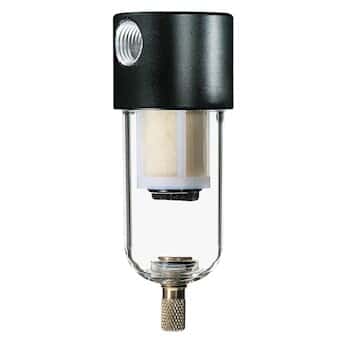
Compressed Air Line Filters: Grades & SpecificationsCompressed air line filters remove water, oil and solid particles from air supplied by compressors. This page covers the Flotronics-branded…
View range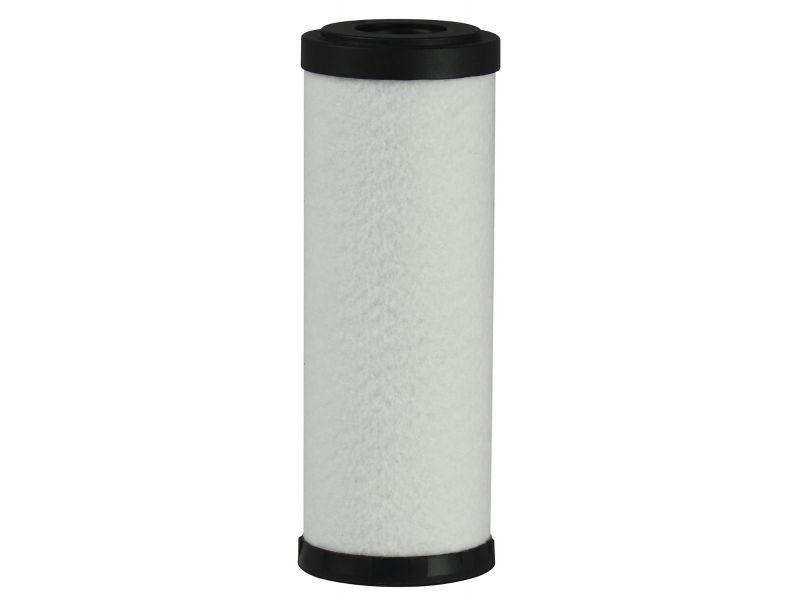
Compressed Air Treatment
Compressed Air Microfilters (VKB Series)Compressed air microfilters use a pleated depth element of microfibre fleece to capture dirt and oil mist while keeping differential…
View range
Compressed Air Treatment
Oil Filters for Compressors and Vacuum PumpsOil filters keep lubrication circuits clean to protect compressors and vacuum pumps from wear. The page describes industrial oil filters…
View range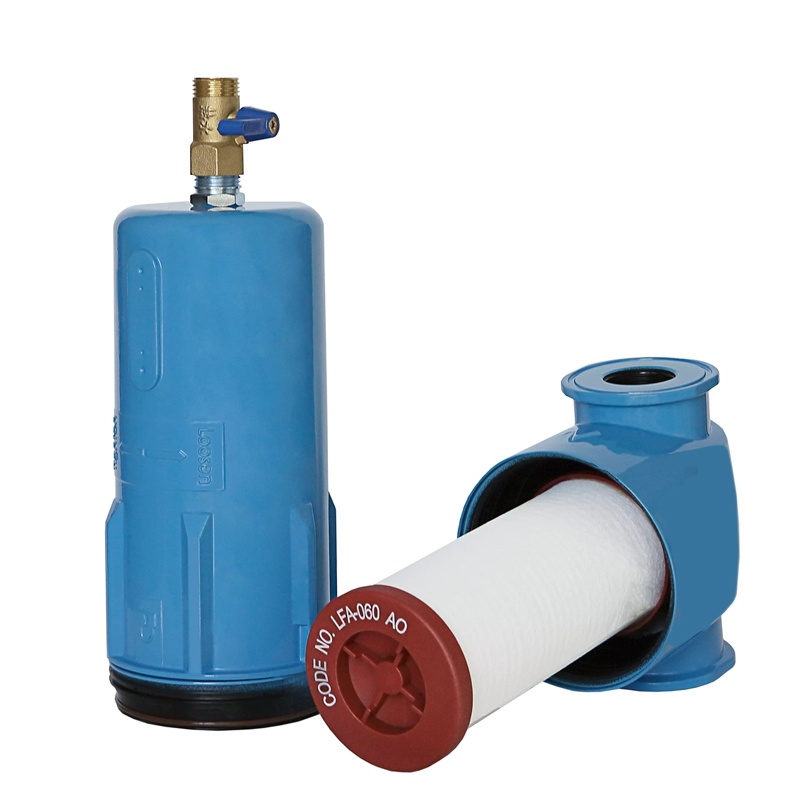
Compressed Air Treatment
Carbon Filters for Compressed Air and Industrial UseCarbon filters adsorb oil vapour, odour and some gases from compressed air, protecting processes and products that are sensitive to…
View range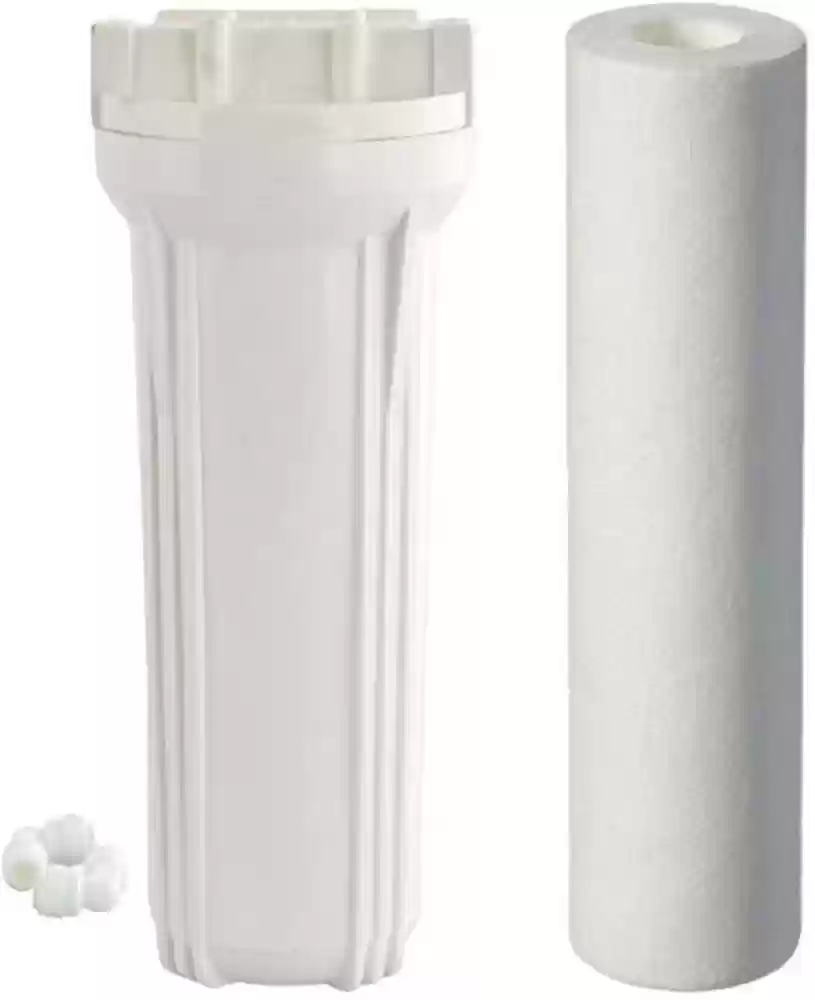
Compressed Air Treatment
Compressed Air Pre-FilterA pre-filter protects dryers, fine filters and downstream equipment by removing coarse dirt, dust, water and oil from compressed air. The…
View range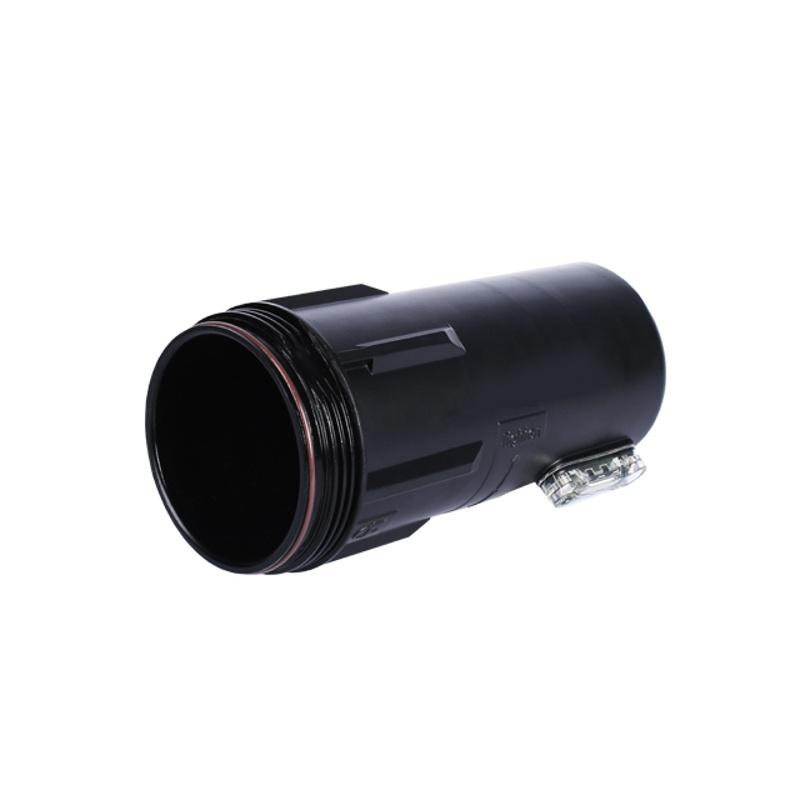
Compressed Air Treatment
Cyclone Moisture Separator for Compressed Air (MS Series)Water in a compressed air system corrodes pipework, damages valves, cylinders and tools, and reduces aftercooler efficiency. The MS series…
View range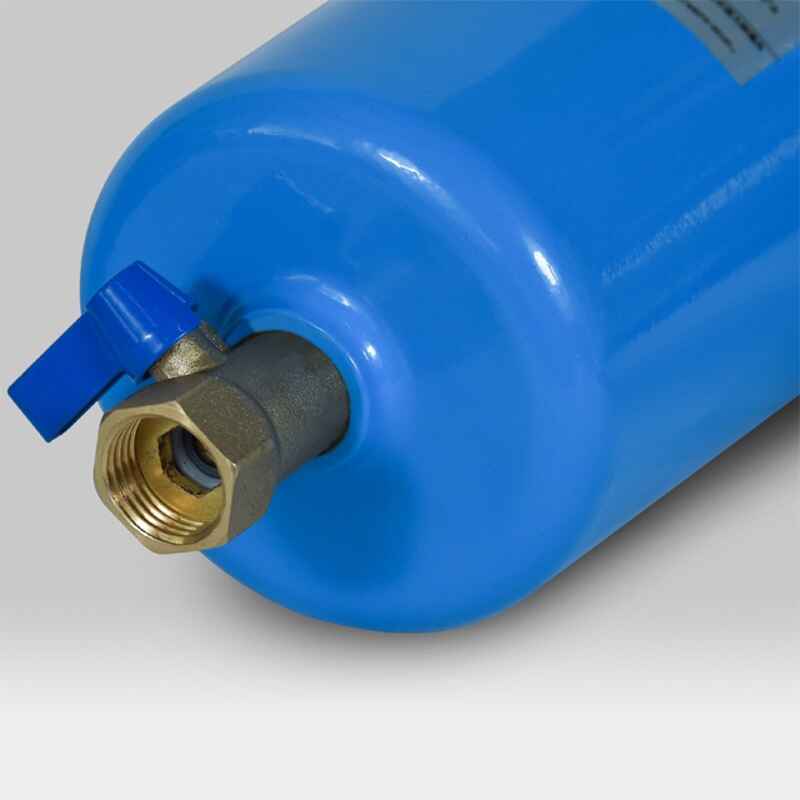
Compressed Air Treatment
Compressed Air After Filters (Fine Filtration)An after filter sits downstream of the air dryer and removes fine particles and residual oil mist before air reaches instruments, tools and…
View range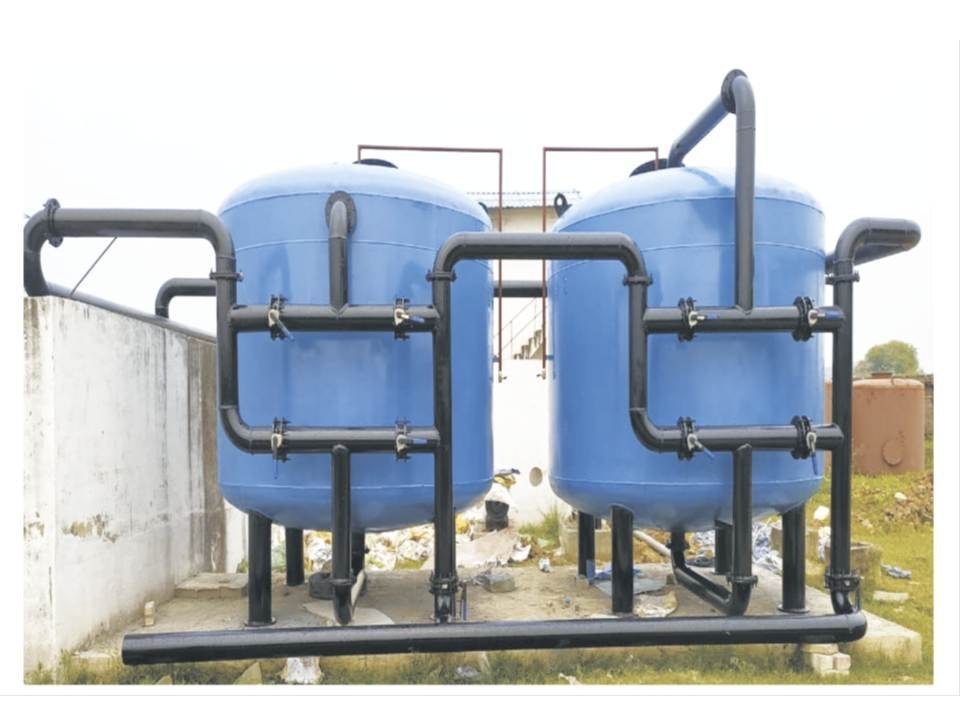
Compressed Air Treatment
Activated Carbon Filters for Compressed AirActivated carbon filters remove oil vapour and odour that pass through coalescing filters in gaseous form. They use a bed of activated…
View range
Compressed Air Treatment
Annair Refrigerated & Heatless Compressed Air DryersCompressed air dryers remove moisture so that water does not damage pneumatic tools, instruments and processes. This page covers Annair…
View range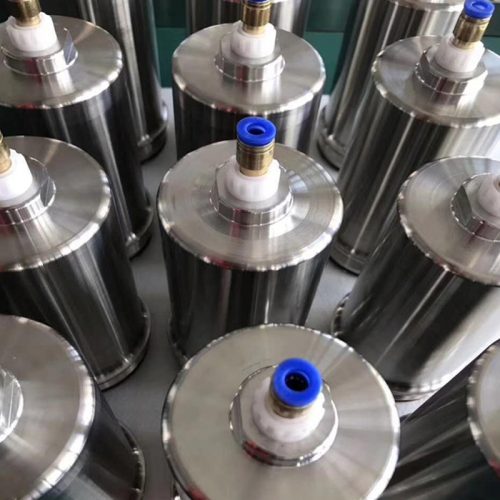
Compressed Air Treatment
Stainless Steel High Pressure Compressed Air FiltersHigh-pressure stainless steel compressed air filters remove dust, oil aerosols, water droplets and particles from compressed air lines,…
View range
Compressed Air Treatment
Compressed Air Line Filters: Pre, Fine & After FiltersAir line filters, also called air compressor line filters, remove water, oil and dirt from compressed air and protect downstream equipment…
View range
Compressed Air Treatment
Internal Float Auto Drain Valve for Filter HousingsAn internal auto drain valve removes condensate from compressed air filter bowls without electricity. The float-operated design opens when…
View range
Compressed Air Treatment
Low Discharge Auto Drain Valve (LDAD10)A low discharge automatic drain valve removes small volumes of condensate from compressed air lines and receivers. The LDAD10 model listed…
View range
Compressed Air Treatment
Mechanical Auto Drain Valve (MAD10)A mechanical auto drain valve removes condensate from compressed air systems automatically, without power. The MAD10 model on this page is…
View rangeHow it works
Types and how to choose
Air treatment removes three contaminants: water, oil and solid particles. Each needs a different stage, and the order matters.
Moisture separators and drains remove bulk liquid water. Air dryers then lower the dew point so that vapour does not condense downstream. Refrigerated dryers cool the air to condense moisture and suit general industrial use; desiccant dryers adsorb moisture for lower dew points where lines run cold or the process is sensitive.
Filtration is graded. A general-purpose pre-filter or line filter takes out particles and liquid aerosols, a fine or microfilter coalesces oil mist to a lower level, and an activated carbon filter removes oil vapour and odour. Carbon stages must sit after the coalescing filters, because bulk oil saturates the carbon. A dust after-filter placed behind a desiccant dryer captures desiccant fines.
Condensate must leave the system reliably, which is why auto drain valves (float, electronic timer or zero-loss types) matter. Choose stages by the quality class your end use needs, size them to the maximum flow with margin, and plan element replacement. See air line filters, air dryers, moisture separators and electronic drain valves.
| Type | Best suited for | Consider when |
|---|---|---|
| Moisture separator | Removing bulk liquid water close to the compressor | Air vapour dew point must also be lowered |
| Air line filter / pre-filter | General particulate and aerosol removal | Oil-free air is critical |
| Microfilter / fine filter | Coalescing oil mist before sensitive equipment | Oil vapour is also a concern |
| Activated carbon filter | Removing oil vapour and odour | Upstream coalescing filter is not fitted |
| Air dryer | Lowering dew point to prevent condensation | Air is used only briefly or at ambient temperature |
| Dust after-filter | Catching particles after desiccant dryers | Dryer is refrigerated type |
| Auto drain valve | Automatic condensate removal from filters and receivers | Condensate is very high in solids |
Selection guide
Parameters to specify
Send these with your enquiry for an accurate, like-for-like quotation.
Typical applications
- Instrument and control air
- Pneumatic tools and cylinders
- Paint and spray finishing
- Food and beverage packaging
- Textile machinery
- PET blowing and moulding
- Laboratory and process air
Industries
- Manufacturing
- Food and beverage
- Pharmaceutical
- Textile
- Automotive and paint shops
- Plastics and packaging
FAQ
Frequently asked questions
Answers to the questions buyers most often ask before requesting a quotation.
In what order should compressed air filters be fitted?
Typically bulk water is removed first with a separator, then a general-purpose filter, a dryer, then a coalescing microfilter, and finally an activated carbon filter if oil vapour must be removed. Carbon must come after coalescing filters so it is not saturated. The final stage depends on the quality your process needs.
Why do I need an air dryer if I already have a filter?
Filters remove liquid water and particles but not water vapour. As air cools in pipework it condenses, causing corrosion, washed-out lubrication and ice in cold lines. A dryer lowers the dew point so condensation does not form at the temperatures in your plant. Matching the dryer to the lowest temperature the pipework sees avoids condensation in outdoor or unheated runs.
What is an auto drain valve and which type should I use?
An auto drain valve removes condensate from filters, receivers and dryers without manual draining. Float types are simple, timer-based electronic types are adjustable, and zero-loss designs discharge only liquid, saving air. Choice depends on condensate load, dirt content and acceptable air loss. Install the drain at the lowest point of the housing and make sure the discharge is piped safely to a drain or collector.
How often should filter elements be replaced?
Replace them on a schedule recommended by the filter manufacturer, or earlier when differential pressure across the filter rises or air quality checks fail. Loaded elements waste energy through pressure drop and can release contaminants. Send us your filter model for matching replacement elements. Differential pressure gauges or indicators on filter housings make it easy to see when replacement is due.
What information do you need to quote air treatment equipment?
Please share compressor flow rate, operating pressure, pipe size, required air quality or application, ambient conditions and whether you need housings, elements or drains. Existing filter models help us suggest compatible replacements. Tell us if you want one complete treatment package or just individual items such as an after-filter or drain valve, and we will quote accordingly.
Technical resources
Related selection guides
Compressed Air Treatment
Compressed Air Filter Selection: Pre, Fine, Micro and Carbon FiltersCompressed air carries water, oil aerosol, particles and vapour. Pre, fine, micro and carbon filters each remove a different contaminant, so they are fitted in sequence with a dryer. This guide explains the order, what each stage does, and the data to give when specifying filters.
Read guideNeed to clean and dry your compressed air?
Send flow rate, pressure, line size and the air quality your process needs, and we will propose a filter sequence and quote.