- Home
- Products
- Industrial Pumps
- Water Pressure Booster Pumps For Apartment Buildings
Booster Pumps
Water Pressure Booster Pumps for Apartment Buildings
Pressure booster pumps raise water pressure where mains or tank supply is too low for apartment buildings. Send your requirements to begin.
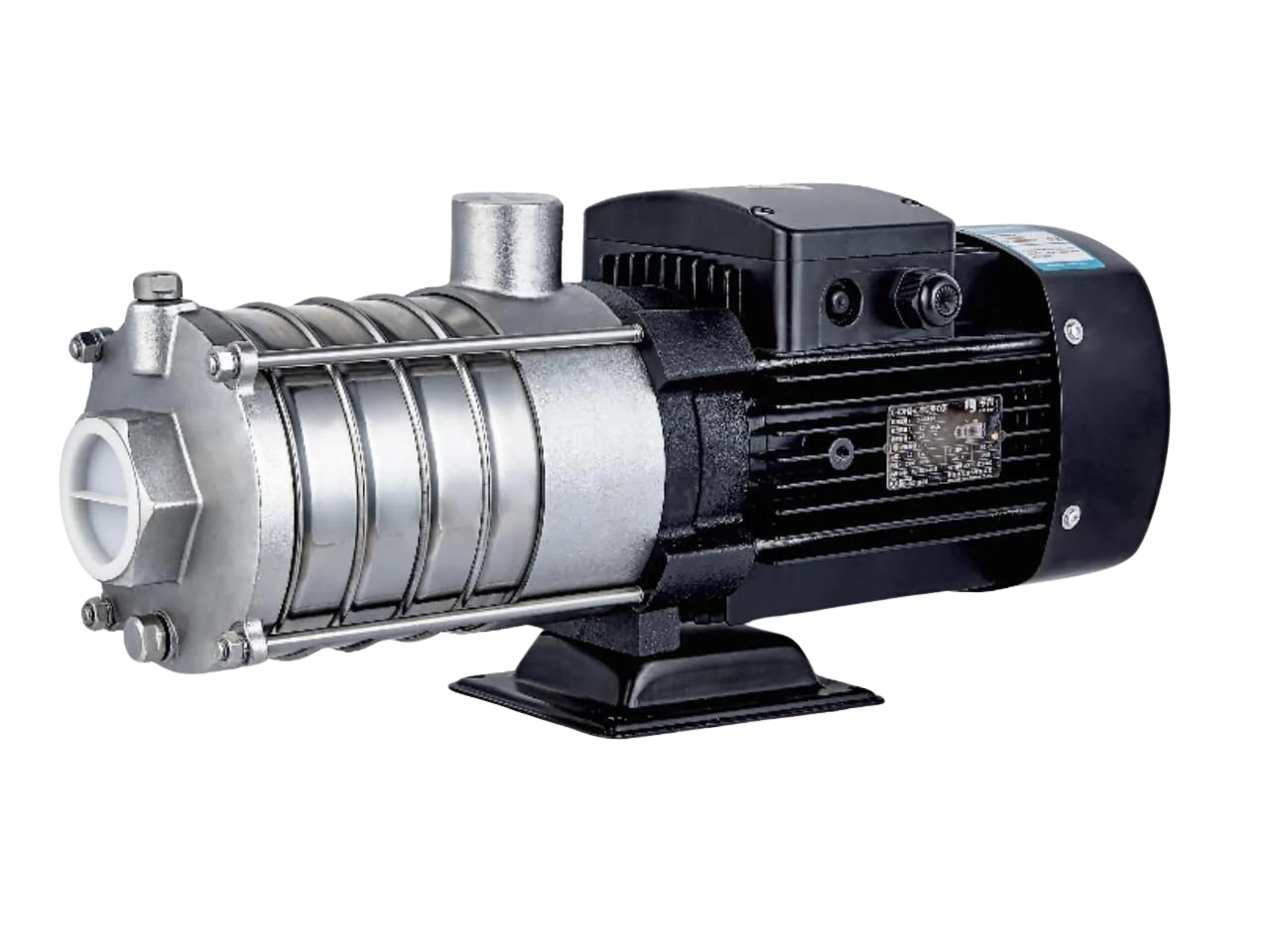
- Centrifugal and multi-stage booster pump types
- Impeller converts kinetic energy to pressure
- Multi-stage type uses impellers in series for higher pressure
- Selection factors such as lift and flow explained
- Electric motor driven
Application-first selection
Tell us the medium, range and conditions — we match the product type to the duty.
Multi-category sourcing
Instruments, valves, filters, pneumatics and pumps on one enquiry.
Quotation against your specs
Every quote references the parameters you sent, so comparisons are like-for-like.
Engineer-to-engineer support
Ask a technical question before you commit to a model.
Booster Pumps
Range, specifications & options
Confirm specifications against the datasheet for your exact model before ordering.
Need a quote for Water Pressure Booster Pumps For Apartment Buildings?
Send the model or your operating parameters — unsure of a value? Mark it unknown and we will help. Monday to Saturday, 10:00 AM – 5:30 PM.
Water Pressure Booster Pumps For Apartment Buildings
Is water pressure too low at your outlets? We supply water pressure booster pumps; send your requirement for a quotation.
Water Pressure Booster Pumps for Apartment Buildings
Is water pressure too low at your outlets? We supply water pressure booster pumps; send your requirement for a quotation.
Water Pressure Booster Pump For Apartment Buildings
Centrifugal Pressure Booster Pump
Multi-Stage Pressure Booster Pump
Centrifugal Pressure Booster Pump
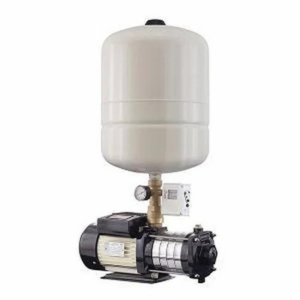
Centrifugal Pressure Booster Pump
Centrifugal pressure booster pumps utilize a spinning impeller to increase water pressure. These versatile pumps are commonly used for general water supply and irrigation applications.
Working Principle:
As the impeller rotates, it imparts kinetic energy to the water, which is then converted into pressure energy as it exits the pump.
Specifications Table:
| Parameter | Specification |
| Flow Rate | Varies based on mode |
| Pressure Increase | Depends on impeller design |
| Application | General water supply, irrigation |
| Power Source | Electric motor |
| Efficiency | Moderate to high |
| Maintenance | Relatively low |
Multi-Stage Pressure Booster Pump
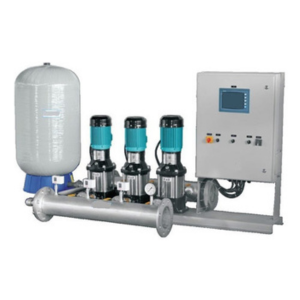
Multi-Stage Pressure Booster Pump
Multi-stage pressure booster pumps have multiple impellers arranged in series to achieve higher pressure levels. They are often used in high-rise buildings and industrial systems.
Working Principle:
Water passes through each impeller stage, gaining additional pressure before exiting the pump. This staged approach results in significant pressure boosts.
Specifications:
| Parameter | Specification |
| Flow Rate | Varies based on mode |
| Pressure Increase | High, with multiple stages |
| Application | High-rise buildings, industrial systems |
| Power Source | Electric motor |
| Efficiency | High |
| Maintenance | Periodic inspection and maintenance |
Factors To Be Considered To Select Pressure Booster Pump For Apartment Buildings
Selecting a pressure booster pump for apartment buildings involves several considerations to ensure reliable water pressure for all residents. Here are the key factors to consider:
1.Building Height and Number of Floors
-
- Vertical Lift: Calculate the vertical lift required to supply water to the highest floor. The pump must overcome the elevation height, typically 0.433 psi per foot of elevation.
- Pressure Requirements: Ensure the pump can provide adequate pressure to all floors. Each additional floor adds about 10-15 psi of required pressure.
2. Water Demand and Flow Rate
-
- Peak Demand: Determine the peak water demand during high usage times (e.g., morning and evening). Consider the total number of fixtures and their flow rates.
- Simultaneous Usage: Calculate the total flow rate required when multiple fixtures are in use simultaneously. This is crucial for selecting a pump with the appropriate capacity.
3. Pump Type and Configuration
-
- Single vs. Multi-Pump Systems: For larger buildings, a multi-pump system with variable speed drives might be necessary to handle varying demand and provide redundancy.
- Inline vs. End-Suction Pumps: Inline pumps are easier to install in confined spaces, while end-suction pumps are more efficient and easier to maintain.
4. Pressure Management and Control
-
- Pressure Tanks: Include pressure tanks to manage pressure fluctuations and reduce pump cycling.
- Pressure Sensors and Controllers: Use pressure sensors and electronic controllers to maintain consistent water pressure and optimize pump operation.
5. Energy Efficiency
-
- Variable Speed Pumps: Consider variable speed pumps that adjust their speed based on demand, improving energy efficiency and extending pump life.
- Energy Consumption: Evaluate the energy consumption of the pump and look for energy-efficient models to reduce operational costs.
6. Reliability and Maintenance
-
- Durability: Choose pumps made from materials (e.g., stainless steel) for longevity and resistance to corrosion.
- Maintenance Access: Ensure the pump system is easy to access for maintenance and repairs, minimizing downtime.
7. Noise Levels
Noise Reduction: Consider the noise levels of the pump, especially if it is installed near living areas. Opt for pumps with noise-reduction features or install soundproofing measures.
8. Redundancy and Backup
-
- Backup Pumps: For critical applications, include backup pumps to ensure continuous water supply in case of primary pump failure.
- Automated Switching: Implement automated systems to switch to backup pumps seamlessly when needed.
9. Water Quality
-
- Debris and Sediment: Ensure the pump is suitable for the water quality in your area. If necessary, install pre-filters to protect the pump from debris and sediment.
10. Local Codes and Regulations - Compliance: Ensure the pump system complies with local building codes and regulations regarding water pressure and plumbing systems.
- Permits: Obtain any necessary permits for installation and operation.
- Debris and Sediment: Ensure the pump is suitable for the water quality in your area. If necessary, install pre-filters to protect the pump from debris and sediment.
11. Cost and Budget
-
- Initial Cost vs. Long-Term Savings: Balance the initial cost of the pump system with potential long-term savings from energy efficiency and reduced maintenance.
- Total Cost of Ownership: Consider the total cost of ownership, including installation, operation, maintenance, and potential repairs.
Example Products
Here are a few examples of pressure booster pumps suitable for apartment buildings:
1.Ebara Multi-E
-
- Type: Variable speed multi-pump system
- Features: Energy-efficient, integrated control system, scalable for large buildings
2.Ebara
-
-
- Type: High-efficiency vertical multi-stage pump
- Features: Low energy consumption, high reliability, compact design
-
3.Ebara e-HM
-
- Type: Horizontal multi-stage pump
- Features: Robust construction, quiet operation, energy-efficient
By considering these factors, you can select a pressure booster pump that ensures reliable water pressure and meets the needs of all residents in your apartment building.
Selection guide
What to specify for an accurate quotation
These parameters decide which variant suits your duty. Send what you know — unknown values can be marked for engineering assistance.
Typical applications
- Residential towers
- Gated communities
- Upper-floor water supply
- Overhead tank feeding
- Hot water circulation loops
FAQ
Frequently asked questions
Answers to the questions buyers most often ask before requesting a quotation.
Which booster pump types does this apartment page cover?
The page describes centrifugal pressure booster pumps, which use a spinning impeller, and multi-stage pressure booster pumps. Centrifugal suits moderate lifts, and multi-stage suits tall buildings needing greater pressure. Tell us the number of floors and outlets so we can discuss which type to quote.
How do I size a booster set for a residential block?
Sizing rests on how many flats and floors you serve, peak simultaneous demand and the pressure required at the highest outlet. Tank position and incoming mains pressure also matter. Send these details with building height and we will help prepare a quotation request. Mention whether the building has a ground-level sump or an overhead tank, since that changes the arrangement.
Why do upper floors in apartments get weak water pressure?
Pressure falls with height, and friction in long pipes reduces it further. When the overhead tank sits too low or mains pressure is weak, upper floors suffer most. A booster set after the storage tank restores pressure, and our team can discuss it if you send the building layout.
How is pressure required for upper floors worked out?
The pump must overcome the vertical height to the highest floor plus pipe friction and the minimum pressure needed at the outlet. Send the number of floors and fixtures and we will help size the pump.
Related
Related products & guides
Need a pressure booster pump?
Send required pressure, flow, water source, supply voltage and number of outlets or floors. We will recommend a pump and quote.