- Home
- Products
- Industrial Pumps
- Water Pressure Booster Pumps for Commercial Applications
Booster Pumps
Water Pressure Booster Pumps for Commercial Buildings
Pressure booster pumps raise water pressure where mains or tank supply is too low for commercial buildings. The page covers centrifugal booster pumps for general water supply and multi-stage pumps with impellers in series for higher pressure.
- Centrifugal and multi-stage booster pump types
- Impeller converts kinetic energy to pressure
- Multi-stage type uses impellers in series for higher pressure
- Selection factors such as lift and flow explained
- Electric motor driven
Application-first selection
Tell us the medium, range and conditions — we match the product type to the duty.
Multi-category sourcing
Instruments, valves, filters, pneumatics and pumps on one enquiry.
Quotation against your specs
Every quote references the parameters you sent, so comparisons are like-for-like.
Engineer-to-engineer support
Ask a technical question before you commit to a model.
Booster Pumps
Range, specifications & options
Flotronics helps you choose between them using required pressure, flow and building or plant layout, and prepares a quotation for the pump and controls. Send your requirements to begin. Confirm specifications against the datasheet for your exact model before ordering.
Need a quote for Water Pressure Booster Pumps for Commercial Applications?
Send the model or your operating parameters — unsure of a value? Mark it unknown and we will help. Monday to Saturday, 10:00 AM – 5:30 PM.
Water Pressure Booster Pumps for Commercial Applications
Is water pressure too low at your outlets? We supply water pressure booster pumps; send your requirement for a quotation.
Water Pressure Booster Pumps for Commercial Applications
Is water pressure too low at your outlets? We supply water pressure booster pumps; send your requirement for a quotation.
Water Pressure Booster Pump For Commercial Applications
Centrifugal Pressure Booster Pump
Multi-Stage Pressure Booster Pump
Centrifugal Pressure Booster Pump
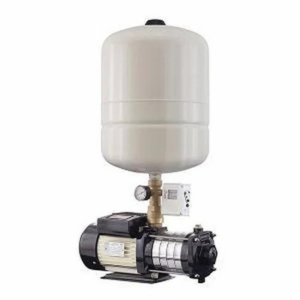
Centrifugal Pressure Booster Pump
Centrifugal pressure booster pumps utilize a spinning impeller to increase water pressure. These versatile pumps are commonly used for general water supply and irrigation applications.
Working Principle:
As the impeller rotates, it imparts kinetic energy to the water, which is then converted into pressure energy as it exits the pump.
Specifications Table:
| Parameter | Specification |
| Flow Rate | Varies based on mode |
| Pressure Increase | Depends on impeller design |
| Application | General water supply, irrigation |
| Power Source | Electric motor |
| Efficiency | Moderate to high |
| Maintenance | Relatively low |
Multi-Stage Pressure Booster Pump
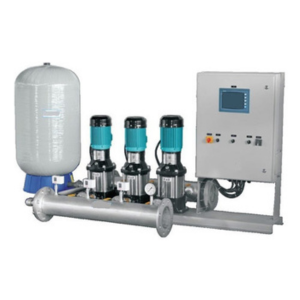
Multi-Stage Pressure Booster Pump
Multi-stage pressure booster pumps have multiple impellers arranged in series to achieve higher pressure levels. They are often used in high-rise buildings and industrial systems.
Working Principle:
Water passes through each impeller stage, gaining additional pressure before exiting the pump. This staged approach results in significant pressure boosts.
Specifications:
| Parameter | Specification |
| Flow Rate | Varies based on mode |
| Pressure Increase | High, with multiple stages |
| Application | High-rise buildings, industrial systems |
| Power Source | Electric motor |
| Efficiency | High |
| Maintenance | Periodic inspection and maintenance |
Choosing Right Pressure Pump For Commercial Buildings
Choosing the right pressure booster pump for commercial buildings requires careful consideration of various factors to ensure reliable water pressure and flow for all users. Here’s a comprehensive guide to help you make the right choice:
1. Building Size and Layout
-
- Height of the Building: Calculate the vertical lift required to supply water to the highest floor. The pump must overcome the elevation height, typically 0.433 psi per foot of elevation.
- Number of Floors: Consider the number of floors to ensure adequate pressure on the top floors.
2. Water Demand and Flow Rate
-
- Peak Demand: Determine the peak water demand during high usage times. Consider the total number of fixtures (e.g., toilets, sinks, showers) and their flow rates.
- Simultaneous Usage: Calculate the total flow rate required when multiple fixtures are in use simultaneously. This is crucial for selecting a pump with the appropriate capacity.
3. Pump Type and Configuration
-
- Single vs. Multi-Pump Systems: For larger buildings, a multi-pump system with variable speed drives might be necessary to handle varying demand and provide redundancy.
- Inline vs. End-Suction Pumps: Inline pumps are easier to install in confined spaces, while end-suction pumps are more efficient and easier to maintain.
4. Pressure Management and Control
-
- Pressure Tanks: Include pressure tanks to manage pressure fluctuations and reduce pump cycling.
- Pressure Sensors and Controllers: Use pressure sensors and electronic controllers to maintain consistent water pressure and optimize pump operation.
5. Energy Efficiency
-
- Variable Speed Pumps: Consider variable speed pumps that adjust their speed based on demand, improving energy efficiency and extending pump life.
- Energy Consumption: Evaluate the energy consumption of the pump and look for energy-efficient models to reduce operational costs.
6. Reliability and Maintenance
-
- Durability: Choose pumps made from materials (e.g., stainless steel) for longevity and resistance to corrosion.
- Maintenance Access: Ensure the pump system is easy to access for maintenance and repairs, minimizing downtime.
7. Noise Levels
-
- Noise Reduction: Consider the noise levels of the pump, especially if it is installed near occupied areas. Opt for pumps with noise-reduction features or install soundproofing measures.
8. Redundancy and Backup
-
- Backup Pumps: For critical applications, include backup pumps to ensure continuous water supply in case of primary pump failure.
- Automated Switching: Implement automated systems to switch to backup pumps seamlessly when needed.
9. Water Quality
Debris and Sediment: Ensure the pump is suitable for the water quality in your area. If necessary, install pre-filters to protect the pump from debris and sediment.
10. Local Codes and Regulations
-
- Compliance: Ensure the pump system complies with local building codes and regulations regarding water pressure and plumbing systems.
- Permits: Obtain any necessary permits for installation and operation.
11. Cost and Budget
-
- Initial Cost vs. Long-Term Savings: Balance the initial cost of the pump system with potential long-term savings from energy efficiency and reduced maintenance.
- Total Cost of Ownership: Consider the total cost of ownership, including installation, operation, maintenance, and potential repairs.
Example Products
Here are a few examples of pressure booster pumps suitable for commercial buildings:
1.Ebara MPC
-
- Type: Multi-pump booster system
- Features: Advanced control system, energy-efficient, scalable for large buildings
- Benefits: Reliable, efficient operation with smart control for variable demands
2.Ebara
-
- Type: High-efficiency vertical multi-stage pump
- Features: Low energy consumption, high reliability, compact design
- Benefits: Robust construction, suitable for a wide range of applications
3.Ebara e-SV
-
- Type: Vertical multi-stage pump
- Features: Stainless steel construction, energy-efficient motor, easy maintenance
- Benefits: Durable and reliable with high efficiency and low maintenance costs
4.Ebara 4300 Series
-
- Type: Horizontal split-case pump
- Features: High efficiency, low maintenance, flexible installation
- Benefits: Long-lasting, efficient pump suitable for large commercial buildings
Installation and Maintenance
-
- Ensure the pump is installed by a qualified professional to guarantee proper setup and compliance with local codes.
- Regular Maintenance: Implement a maintenance schedule to check and service the pump regularly, ensuring optimal performance and longevity.
By considering these factors and selecting a suitable pump, you can ensure consistent and reliable water pressure in your commercial building, meeting the needs of all occupants efficiently.
Selection guide
What to specify for an accurate quotation
These parameters decide which variant suits your duty. Send what you know — unknown values can be marked for engineering assistance.
Typical applications
- Office buildings
- Hotels and hospitals
- Shopping malls
- Cooling and fire support water
- Commercial kitchens and laundries
FAQ
Frequently asked questions
Answers to the questions buyers most often ask before requesting a quotation.
What details are needed to select a booster pump for commercial buildings?
Share the building or plant layout: number of floors or outlets, required pressure and flow, water source, supply voltage and the number of pumps needed. We will recommend between centrifugal and multi-stage types and prepare a quotation.
How do I maintain a booster pump?
Check for leaks, unusual noise or vibration, inspect seals and bearings periodically, and keep the pressure vessel precharge correct. Maintenance intervals depend on duty, so follow the product manual. We can help with spares.
What is the difference between centrifugal and multi-stage booster pumps?
A centrifugal booster uses one impeller and suits general water supply. A multi-stage pump passes water through several impellers in series, giving higher pressure for tall buildings and industrial systems. Tell us pressure and flow needs and we will recommend.
How do you increase water pressure in a commercial?
Booster pumps are installed in commercial buildings' water systems to increase water pressure as it travels upwards. These pumps work by adding pressure to the water as it flows through the pipes.
What size water pressure booster pump do I need?
When sizing a domestic booster pump, you need to measure the current water pressure against the amount of pressure that the booster pump can provide. For instance, a building looking to boost water pressure from 20 to 40 psi will require a booster pump capable of producing 20 psi.
Related
Related products & guides
Need a pressure booster pump?
Send required pressure, flow, water source, supply voltage and number of outlets or floors. We will recommend a pump and quote.