Product family
Industrial Valves: Solenoid, Drain, Safety and Actuated Valves
Valves start, stop, direct and protect flow in every plant. Flotronics supplies industrial valves including solenoid valves for water, steam, gas, fuel oil and air, automatic and manual drain valves, safety valves, air vent and ball float valves, piston valves and actuator-driven valves.

Application-first selection
Tell us the medium, range and conditions — we match the product type to the duty.
Multi-category sourcing
Instruments, valves, filters, pneumatics and pumps on one enquiry.
Quotation against your specs
Every quote references the parameters you sent, so comparisons are like-for-like.
Engineer-to-engineer support
Ask a technical question before you commit to a model.
Product types
Industrial Valves — categories
Brands such as Tork are available through Flotronics for solenoid valve ranges. The right valve depends on the medium, pressure, temperature, line size, body and seal materials, and how it will be operated. Send us the details of your line and we will help identify a suitable type and prepare a quotation. Our team can also review an existing datasheet or nameplate and suggest equivalents, so you do not need a full specification to begin. Choose a category to see the range, specifications and quotation details.
Industrial Valves
Industrial Relief, Breather & Safety ValvesRelief, breather and safety valves protect tanks, vessels and pipelines from overpressure and vacuum. This page covers vacuum relief…
View range
Industrial Valves
Auto Drain Valves for Compressors & Air Receivers: Timer, Zero-Loss & FloatAutomatic drain valves remove condensate from air receivers, filters, dryers and drip legs without manual draining. This page covers Tork…
View range
Industrial Valves
Tork 2-Way, 3-Way & Vacuum Solenoid ValvesThis page covers the Tork range of general purpose 2/2 and 3/2 way solenoid valves, a normally open 2-way series, vacuum solenoid valves…
View range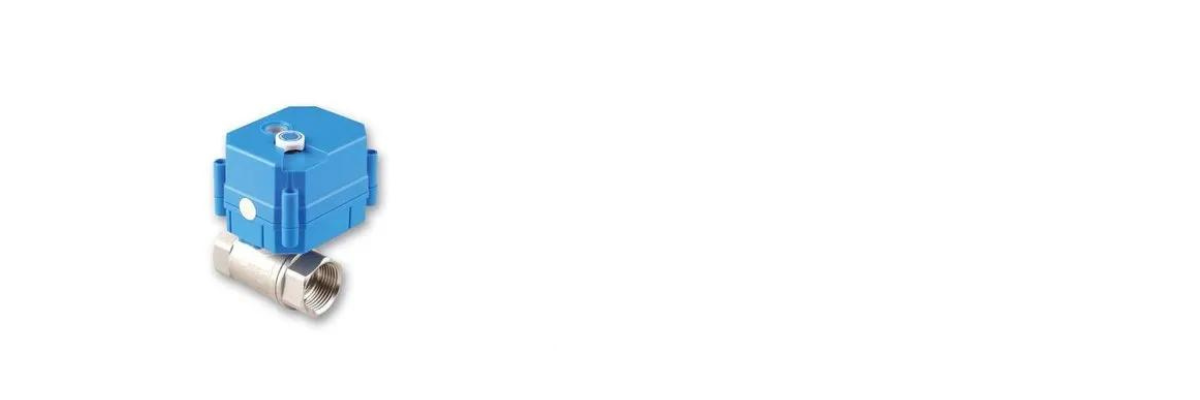
Industrial Valves
Pneumatic & Electric Actuators and Actuated ValvesThis page covers Tork double acting and spring return pneumatic actuators, on/off electric rotary actuators, pneumatic actuated stainless…
View range
Industrial Valves
Safety, Relief & Air Release Valves for Industrial SystemsSafety and relief valves protect vessels, pipelines and compressors from overpressure by opening at a set pressure, while air release and…
View range
Industrial Valves
Irrigation Solenoid Valves for Water & Air ControlIrrigation solenoid valves open and close water flow automatically for parks, gardens, greenhouses and agricultural irrigation. This page…
View range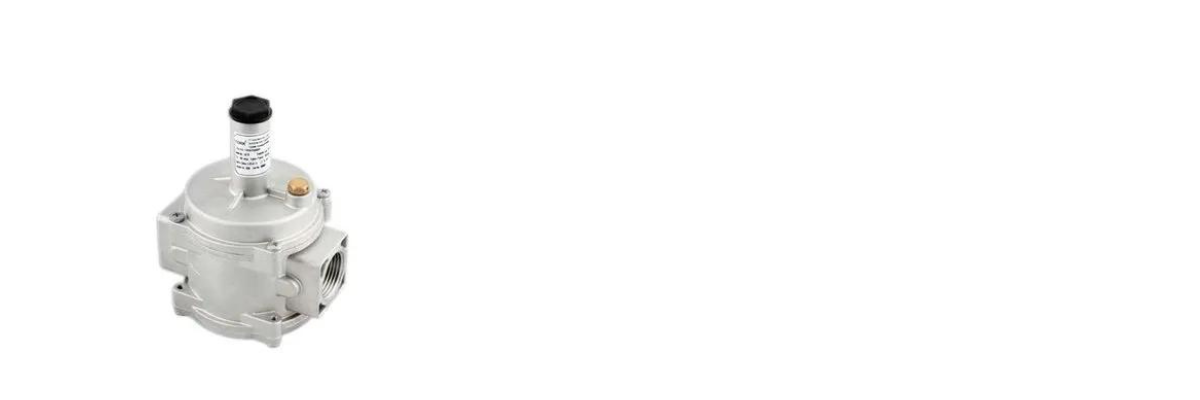
Industrial Valves
Gas Pressure Filters and Regulators (Tork GF10, GR20, GR30)Gas filters and regulators protect burners and gas trains from debris and keep inlet pressure stable. This page lists Tork GF10 2/2 way…
View range
Industrial Valves
Ball Float Valves in PVC, Brass & Stainless SteelA ball float valve controls the filling of tanks by opening and closing as a hollow float rises and falls with the liquid level. The tank…
View range
Industrial Valves
Air Release, Air Vent & Relief ValvesAir release valves automatically discharge accumulated air and gas from a fluid system while it is running, preventing air pockets that…
View range
Industrial Valves
Solenoid Valves and Pneumatic Valves for Water, Air and GasThis page groups solenoid valves for water, air and gas and aluminium spool valves for pneumatic circuits. Examples include a 2 inch brass…
View range
Industrial Valves
Sanitary & Hygienic Valves: Ball, Butterfly, Mix-Proof & DiverterSanitary valves control flow in hygienic lines where product purity and cleanability matter, such as dairy, beverage, food and…
View range
Industrial Valves
Tork 0.5 Inch Flanged Solenoid Valves, S1070 / S1080The Tork S1070 / S1080 series is a general purpose 2/2 way, normally closed solenoid valve in 0.5 inch size with a flanged body, listed for…
View range
Industrial Valves
S1013 Series General Purpose Solenoid Valves (G1/8", G1/4")The S1013 Series (G1/8", G1/4") is a Tork solenoid valve for general-purpose air, water and gas duty in small port sizes. A solenoid valve…
View range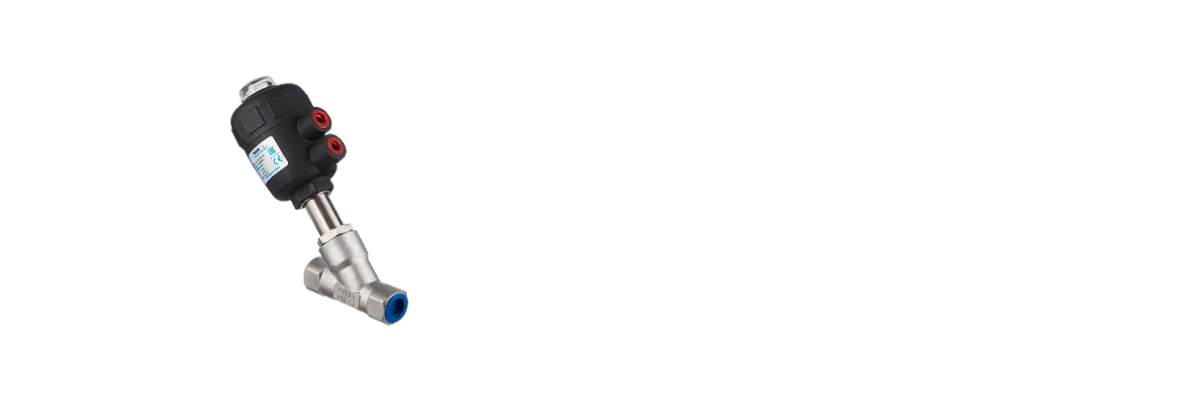
Industrial Valves
Pneumatic Piston (Angle Seat) ValvesPiston or angle seat valves use a pneumatic actuator to open and close flow quickly, and are common in steam, condensate, hot water and…
View range
Industrial Valves
Tork S1000 Servo Assist Solenoid Valve, Viton SealThe Tork S1000 servo assist solenoid valve is a normally closed, pilot operated valve with brass body and stainless steel tube, in 3/8 to 1…
View range
Industrial Valves
Tork S8330 Latching Water Solenoid Valves, 3/8"-1"The Tork S8330 series is a water solenoid valve with a DC latching coil, so no continuous energy is needed to hold it open or closed. The…
View range
Industrial Valves
Tork S8510 / S8511 Pinch Solenoid Valves for LiquidsTork S8510 (normally closed) and S8511 (normally open) pinch solenoid valves close a soft rubber tube with a pinch device, so the tube is…
View range
Industrial Valves
Tork S8010 Natural Gas Solenoid Valves, 3/8"-2" BSPThe Tork S8010 series is a pilot-operated, diaphragm type 2/2 way solenoid valve, normally closed, for natural gas, LPG, methane, propane,…
View rangeIndustrial Valves
S1013 (Tork-GH) High Pressure General Purpose Solenoid ValvesThe S1013 (TORK-GH) is a Tork solenoid valve for high-pressure general-purpose duty on air, water and gas in sizes from 1/8 inch to 1 inch…
View range
Industrial Valves
SX1020 Series (Tork-ExGZ) Ex-Proof Solenoid ValvesThe SX1020 (TORK-ExGZ) is a solenoid valve with explosion-protected coils for use with air, water and gas in hazardous areas. A solenoid…
View range
Industrial Valves
S1015 (Tork-G.3W) 3-Way Solenoid ValvesThe S1015 (TORK-G.3W) is a Tork solenoid valve in a 3-way configuration for air, water and gas. A solenoid valve opens, closes or diverts…
View range
Industrial Valves
Tork S6020 AISI 304 Stainless Steel Solenoid Valve, 3/8"-2"The Tork S6020 series is a normally closed solenoid valve with an AISI 304 stainless steel body and tube, offered from 3/8 inch to 2 inch…
View range
Industrial Valves
Tork S6010 Stainless Steel Direct Acting Solenoid Valve, 1/4"The Tork S6010 is a direct acting, 2/2 way, normally closed solenoid valve in 1/4 inch size with a stainless steel construction. The…
View range
Industrial Valves
Tork S4030 Fuel Oil Solenoid Valve, Full OrificeThe Tork S4030 series is a full orifice fuel oil solenoid valve. The listing describes suitability for non-aggressive liquids such as fuel…
View range
Industrial Valves
Tork Stainless Steel Solenoid Valves, 3/8"-2" BSPTork stainless steel solenoid valves are normally closed valves with an AISI 304 body and tube, offered from 3/8 inch to 2 inch BSP. The…
View range
Industrial Valves
Tork Stainless Steel 3-Way Solenoid Valves, 1/8"-1/4" BSPThe Tork S6015 series is a stainless steel (AISI 316) solenoid valve in G1/8 and G1/4 sizes, with BSP threads and NPT available on request.…
View range
Industrial Valves
P10 Pulse Solenoid Valves for Dust CollectorsPulse solenoid valves release short bursts of compressed air to clean filter bags and cartridges in dust collectors. The P10 series on this…
View range
Industrial Valves
Tork S4010 Fuel Oil Solenoid Valve, G1/8" and G1/4"The Tork S4010 series is a fuel oil solenoid valve offered in G1/8 and G1/4 connection sizes, with a DIN 43650 plug connector and class H…
View range
Industrial Valves
S4011 Series (Tork-YNA) Light Oil Solenoid ValvesThe S4011 (TORK-YNA, S40) is a Tork solenoid valve for light oil, diesel, hydraulic oil and petrol oil service. A solenoid valve opens,…
View range
Industrial Valves
Tork S8010 Diaphragm Gas Solenoid Valves, 1/8"-1" BSPThe Tork S8010 diaphragm gas solenoid valve is a pilot-operated, 2/2 way, normally closed design for natural gas, LPG, methane, propane,…
View range
Industrial Valves
Tork SW 1010 IP68 Water Solenoid Valve, PTFE CoatedThe Tork SW 1010 is a normally closed water solenoid valve with an IP68 coil, described as working under 10 metres of water for up to 72…
View range
Industrial Valves
Tork S9183 High Pressure Pneumatic Solenoid ValvesThe Tork S9183 series is a pilot-controlled, 2/2 way solenoid valve for high pressure air, water and gas lines, available normally closed…
View range
Industrial Valves
S2091 (Tork-BHD) 2-Way Solenoid Valves for Steam & Hot WaterThe S2091 (TORK-BHD) is a Tork solenoid valve for steam and hot water service in 2-way form. A solenoid valve opens, closes or diverts flow…
View range
Industrial Valves
Tork S1013 Water Solenoid Valves, 1/8"-1" BSPThe Tork S1013 series is a brass body, normally closed solenoid valve with stainless steel tube and internals, offered from 1/8 inch to 1…
View range
Industrial Valves
Tork S1000 Servo Assisted Solenoid Valve, Up to 16 BarThe Tork S1000 series is a servo assisted solenoid valve, normally closed, with a brass body and stainless steel tube, from 3/8 inch to 2…
View range
Industrial Valves
S1014 Series (Tork-GHA) General Purpose Solenoid ValvesThe S1014 (TORK-GHA) is a Tork solenoid valve in the 2/2-way general-purpose range. A solenoid valve opens, closes or diverts flow when its…
View range
Industrial Valves
Tork S8310 Bistable PET Blowing Solenoid ValveThe Tork S8310 (Tork-Lac) is a latching solenoid valve for high-pressure air duties such as PET bottle blowing. Each short pulse to the…
View range
Industrial Valves
Vacuum Solenoid Valves: S3033 Series (G3/8" to G1")The S3033 Series vacuum is a solenoid valve (G3/8 inch to G1 inch) designed for vacuum as well as low-pressure air, water and gas lines. A…
View rangeIndustrial Valves
Tork S3010 Brass Vacuum Solenoid ValvesThe Tork S3010 series is a normally closed brass-body solenoid valve rated for vacuum to low positive pressure service on water, air and…
View rangeIndustrial Valves
Tork S2013 Steam & Hot Water Solenoid ValvesThe Tork S2013 is a normally closed solenoid valve for steam and hot water lines, supplied in 3/8" to 1" BSP sizes with NPT on request. It…
View range
Industrial Valves
S4010 Series (Tork-Y) Oil & Diesel Burner Solenoid ValvesThe S4010 (TORK-Y) is a Tork solenoid valve for fuel oil, diesel, hydraulic oil and burner duty. A solenoid valve opens, closes or diverts…
View range
Industrial Valves
Tork S1011 Direct Acting Solenoid Valve, 1/4 InchThe Tork S1011 series is a direct acting solenoid valve in 1/4 inch size, listed with a 1.8 mm orifice and a brass body. Direct acting…
View range
Industrial Valves
Tork Namur Solenoid Valve for Pneumatic ActuatorsThe Tork Namur solenoid valve is a 5/2 pilot valve that mounts directly on the namur interface of a pneumatic rotary actuator to control…
View range
Industrial Valves
S1030 (Tork-GL) General Purpose Solenoid Valves, G3/8" to G2"The S1030 (TORK-GL) is a Tork solenoid valve covering larger line sizes from G3/8 inch to G2 inch. A solenoid valve opens, closes or…
View range
Industrial Valves
S8013 Series High Pressure Natural Gas Solenoid ValvesThe S8013 Series is a Tork solenoid valve for high-pressure natural gas duty across sizes from 1/8 inch to 2 inch. A solenoid valve opens,…
View rangeIndustrial Valves
Tork LPG Gas Solenoid Valves, 1/4" BSP (NPT on request)Tork LPG gas solenoid valves are normally closed shut-off valves with a brass body, stainless steel internals and NBR sealing, with Viton…
View range
Industrial Valves
Tork S7130 Brass Solenoid Valve for Fuel DispensingThe Tork S7130 is a brass-body solenoid valve with stainless steel tube and internals, listed for filling systems and gasoline pumps.…
View range
Industrial Valves
Cryogenic Solenoid Valves (S9610 / S9710 Series)The S9610 and S9710 series are solenoid valves for cryogenic service, with stainless steel internals and PTFE seals, listed for fluid…
View range
Industrial Valves
S1050 Series (Tork-GD) Stainless Steel, PP & Brass Solenoid ValvesThe S1050 (TORK-GD) is a solenoid valve made from stainless steel, polypropylene and brass for media that suit a mixed-material body. A…
View range
Industrial Valves
High Pressure Auto Drain Valve (HPAD10)The HPAD10 is an electronic automatic drain valve for high pressure compressed air systems, with a rated working pressure of 40 bar. It has…
View range
Industrial Valves
Electronic Auto Drain Valve VAD10 for CompressorsThe Flotronics-branded VAD10 electronic auto drain valve is a solenoid drain valve that removes condensate from compressors, receivers,…
View range
Industrial Valves
S8011 (Tork-GV) Manual Reset Natural Gas Solenoid ValvesThe S8011 (TORK-GV) is a Tork solenoid valve with a die-cast aluminium body and manual reset, for low-pressure natural gas lines. A…
View range
Industrial Valves
High Discharge Auto Drain Valve (HDAD10)The HDAD10 is a solenoid-operated, pilot-air high discharge auto drain valve for compressed air systems with large condensate volumes. It…
View range
Industrial Valves
Tork S8450 Plastic Solenoid Valve for Corrosive FluidsThe Tork S8450 is a direct operated, 2/2 way, normally closed solenoid valve with a PVC body and stainless steel tube and internals. The…
View range
Industrial Valves
Tri Clover Clamp, Stainless Steel Sanitary FittingsA tri clover clamp joins sanitary fittings, ferrules and pipe ends in food, dairy, pharma and beverage lines, and allows quick dismantling…
View rangeIndustrial Valves
Solenoid Valves: General Purpose, Steam, Fuel Oil & Gas TypesSolenoid valves use an electric coil to open, close or divert flow, making them essential in automated systems handling air, water, steam,…
View rangeHow it works
Types and how to choose
Valves are grouped by function and by how they are operated. On/off valves open or close a line; control valves modulate flow; safety valves relieve overpressure; check and drain valves keep flow one-way or remove condensate.
Operation is manual, electric (solenoid or motor), or pneumatic through an actuator. A solenoid valve uses an electromagnetic coil to move a plunger. In direct-acting designs the plunger opens the orifice itself, so they work from zero pressure but suit smaller orifices. Servo-assisted (pilot-operated) designs use line pressure to help lift a diaphragm or piston, allowing larger flow with a smaller coil but needing a minimum pressure difference. Normally closed or normally open action determines the fail-safe state.
Material compatibility matters as much as function. Brass suits many water and air services, stainless steel handles aggressive or hygienic media, and seals such as PTFE, EPDM, NBR or FKM must be matched to the fluid and temperature. Coil voltage and enclosure protection, including explosion-proof versions, complete the specification. Browse solenoid valves, drain valves, safety valves and actuated valves.
| Type | Best suited for | Consider when |
|---|---|---|
| Direct-acting solenoid valve | Small lines, low or zero pressure difference | Larger flow or higher flow capacity is needed |
| Servo-assisted solenoid valve | Larger flow on water, air, oil with pressure available | System can drop to zero pressure difference |
| Drain valve (automatic) | Removing condensate from air lines, tanks and filters | Condensate is heavily contaminated with oil sludge |
| Safety / relief valve | Protecting vessels and lines from overpressure | Set pressure and discharge capacity are not yet defined |
| Piston / pinch valve | Steam, slurries and media with solids | Absolute leak tightness is critical |
| Actuated valve | Remote or automated on-off or modulating service | Manual operation is sufficient |
| Air vent / ball float valve | Venting air and controlling tank filling | Pressurised steam duty is involved |
Selection guide
Parameters to specify
Send these with your enquiry for an accurate, like-for-like quotation.
Typical applications
- Steam and hot-water control
- Burner and fuel-oil shutoff
- Gas line isolation
- Water dosing and irrigation
- Compressed-air condensate drainage
- Pneumatic circuit control
- Pump and tank protection
- Process automation with actuated valves
Industries
- Power and boilers
- Oil and gas
- Food and beverage
- Agriculture and irrigation
- Textile and chemical
- Machine building (OEM)
FAQ
Frequently asked questions
Answers to the questions buyers most often ask before requesting a quotation.
What is the difference between direct-acting and servo-assisted solenoid valves?
A direct-acting valve lifts its seal by the coil force alone, so it operates from zero pressure but is limited to smaller orifices. A servo-assisted valve uses line pressure to help open a larger diaphragm or piston, giving more flow with a smaller coil, but it needs a minimum pressure difference. Tell us your pressure and flow and we can indicate which suits.
How do I choose the seal material?
Match the seal to the fluid and temperature. PTFE resists many chemicals and higher temperatures, EPDM suits hot water and steam, NBR works for oils and fuels, and FKM (Viton) handles many oils and chemicals at elevated temperature. Always check compatibility with the specific medium; send us the fluid and temperature.
What does normally closed or normally open mean?
It describes the valve's de-energised state. A normally closed valve shuts when power is removed and opens when the coil is energised, which is typical for safety shutoff on fuel or steam. A normally open valve does the reverse. Choose the state that is safest if power fails in your process.
Can you supply explosion-proof or gas solenoid valves?
Yes, we can source solenoid valves for gas and fuel services, and versions with explosion-proof coil enclosures for hazardous areas. Please state the gas or fluid, pressure, size, area classification and certification you require so that the correct version is quoted. Mention if the valve will sit in a classified zone so the coil enclosure and approvals can be checked before quoting.
What details do you need for a valve quotation?
Send the medium, line size and connection, pressure and temperature, normal position, coil voltage or actuator type, and any approvals or material requirements. If you are replacing a valve, its nameplate or model number is the fastest route to a match. Mention any burner, steam or gas code requirements so the correct valve family is considered from the start.
Technical resources
Related selection guides
Valves
How to Select a Solenoid Valve: Sizing, NC/NO, Direct vs Pilot, SealsA solenoid valve opens or closes a line when its coil is energised. Correct selection covers media, flow capacity, pressure differential, normally closed or open action, direct or pilot operation, body and seal materials, coil voltage and area classification. This guide explains each.
Read guideNeed a valve for your line?
Send the medium, size, pressure, temperature and operation type, and we will help select a suitable valve and quote.