- Home
- Industries
- Pumps for Chemical Industry
Chemical Pumps
Pumps for Chemical Industry: Corrosive & Hazardous Duty
Pumps for chemical service must cope with aggressive, hazardous or toxic fluids where leakage control and material compatibility come first. The sections below outline the types commonly specified for acid, alkali and solvent transfer, drum and tank unloading and related duties.
- Pump types covered: Magnetic Drive Pumps, Drum Pumps, Air Operated Diaphragms Pumps, Centrifugal Pumps, Lobe Pumps
- Selection guidance for chemical duty: fluid, flow, head and materials
- Brand and model options sourced to your duty point
- Sourcing support and quotation from Flotronics
Application-first selection
Tell us the medium, range and conditions — we match the product type to the duty.
Multi-category sourcing
Instruments, valves, filters, pneumatics and pumps on one enquiry.
Quotation against your specs
Every quote references the parameters you sent, so comparisons are like-for-like.
Engineer-to-engineer support
Ask a technical question before you commit to a model.
Chemical Pumps
Range, specifications & options
Confirm specifications against the datasheet for your exact model before ordering.
Need a quote for Pumps for Chemical Industry?
Send the model or your operating parameters — unsure of a value? Mark it unknown and we will help. Monday to Saturday, 10:00 AM – 5:30 PM.
Elevate Chemical Processing Pumps with Pumpscart Pumps
Elevate Your Chemical Processing with Pumpscart Pumps. From Safe Handling of Corrosive Chemicals to Smart Pumping Innovations, We Lead the Way in Efficiency, Reliability, and Environmental Responsibility. Discover the Future of Chemical Manufacturing Today!
We are a supplier of Chemical Industry Pumps In India ,These pumps are best suited for X-ray plants, Filtration Systems. Photo Processors, electroplating equipment’s, metal finishing machine. chemical filters, water treatment plants, etching machine, liquid circulation, agitation descalling of refrigeration air conditions unit, silver recovery systems, day bath, heat exchanger PCB plant and other chemical industries. We, at An Pumps take pride in our ability to customize pump materials and come up with solutions that are ideally suitable for handling liquids of varying degrees of viscosity and lubrication. Our pumps can also be customized to handle aggressive chemicals at extreme temperatures. We can support requirements for pumping solutions for a diverse range of applications in the chemical and pharmaceutical sector.
Types of Pumps Used in the Chemical Industry
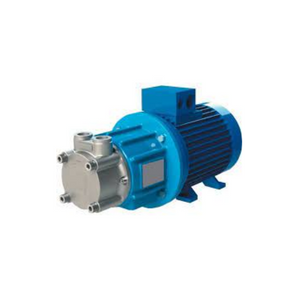
Magnetic Drive Pumps
Magnetic drive pumps are sealless and use a magnetic coupling to transmit power from the motor to the impeller. This design minimizes the risk of leaks and is crucial when handling hazardous or volatile chemicals.
Common Applications: Handling toxic, volatile, or hazardous chemicals, where leak prevention is critical.
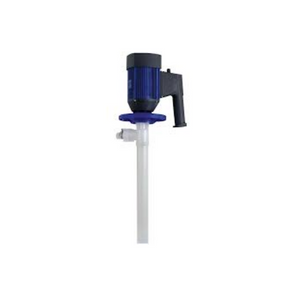
Drum Pumps
Drum pumps are designed for transferring chemicals from drums or containers. They come in various configurations, including hand-operated and motorized versions, making them versatile tools for chemical transfer.
Common Applications: Efficiently transferring chemicals from drums or containers to processing equipment.
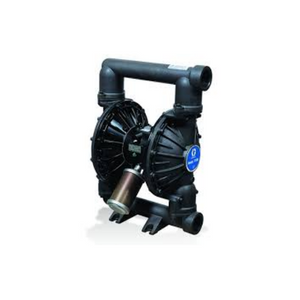
Air Operated Diaphragms Pumps
AODD pumps are actuated by compressed air, using diaphragms to pump fluids. They offer versatility, making them ideal for handling abrasive, viscous, or chemically aggressive materials.
Common Applications: Chemical transfer, handling abrasive, or viscous chemicals, and applications requiring a reliable, sealless solution.
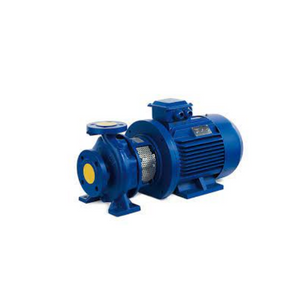
Centrifugal Pumps
Centrifugal pumps are widely used for their simplicity and versatility. They work on the principle of converting rotational energy into kinetic energy to move fluids. They are highly efficient for transferring and circulating a wide range of chemicals.
Common Applications: Chemical transfer, circulation, and general chemical processing.
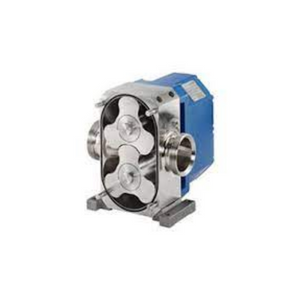
Lobe Pumps
Lobe pumps are positive displacement pumps that utilize rotary lobes to move fluids. They offer gentle handling, making them suitable for shear-sensitive chemicals and products that need precise flow control.
Common Applications: Handling shear-sensitive chemicals, food processing, and applications where maintaining product integrity is crucial.
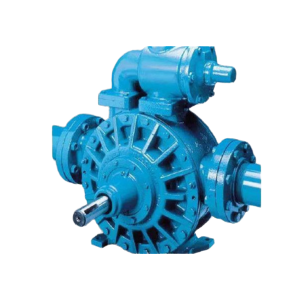
Positive Displacement Pumps
Positive displacement pumps operate by trapping a fixed amount of fluid and then displacing it into a discharge pipe. They provide precise and consistent flow rates and are suitable for pumping viscous or shear-sensitive chemicals.
Common Applications: Chemical dosing, high-viscosity liquids, and metering.
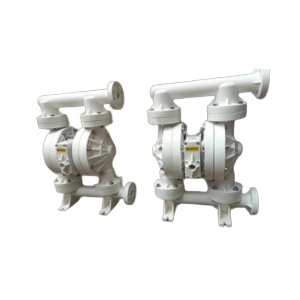
Diaphragm Pumps
Diaphragm pumps use a diaphragm to create a pulsating action, making them ideal for handling corrosive or abrasive chemicals. They have a sealless design, reducing the risk of chemical leaks.
Common Applications: Handling aggressive or corrosive chemicals, including hazardous substances.
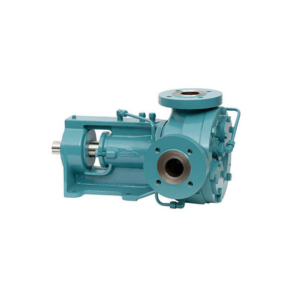
Gear Pumps
Gear pumps utilize the meshing of gears to move fluids. They are known for their precision and consistent flow, making them suitable for chemical dosing and transfer of nonabrasive chemicals.
Common Applications: Chemical dosing, viscous and nonabrasive liquids.
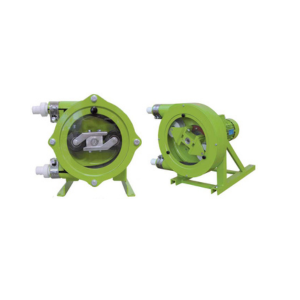
Peristaltic Pumps
Peristaltic pumps use a flexible tube to create a series of occlusions that move fluids. They are gentle on shear-sensitive chemicals and provide accurate dosing and pumping.
Common Applications: Shearsensitive chemicals, pharmaceuticals, and biotechnology applications.
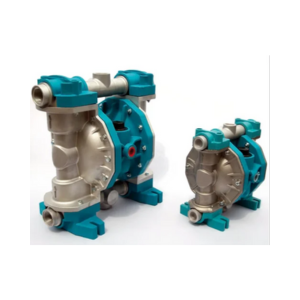
AirOperated Double Diaphragm (AODD) Pumps
AODD pumps use compressed air to actuate diaphragms, allowing for the transfer of a variety of chemicals. They are versatile and suitable for handling abrasive and viscous materials.
Common Applications: Chemical transfer, abrasive or viscous chemicals.
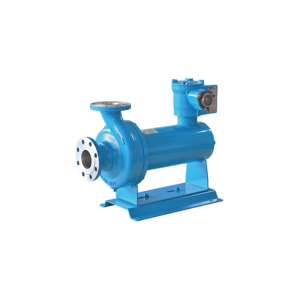
Canned Motor Pumps
Canned motor pumps have a hermetically sealed motor, eliminating the need for a mechanical seal. They are ideal for handling toxic or volatile chemicals while preventing leaks.
Common Applications: Handling toxic, volatile, or hazardous chemicals, especially in environments where safety is paramount.
Applications of Pumps in the Chemical Industry
Chemical Transfer
Pumps are used to efficiently transfer a variety of chemicals from storage tanks to processing equipment or between different stages of chemical manufacturing.
Chemical Dosing
Precise dosing of chemicals is essential in many processes. Pumps are employed to accurately deliver the required amount of chemicals into the production stream, ensuring consistent product quality.
Handling Corrosive Chemicals
In applications involving corrosive substances, chemical-resistant pumps are crucial to safely transport these materials without damage to the pump or risk of contamination.
Hazardous Chemicals and Safety
Pumps play a key role in the safe handling of toxic, volatile, or flammable chemicals. Specialized pumps with features like magnetic drives prevent leaks and protect workers.
High-Pressure Chemical Processing
Certain chemical reactions and industrial processes require high-pressure conditions. Pumps designed for high-pressure applications facilitate these processes by ensuring precise and efficient fluid movement.
Technological Advancements and Innovations
Chemical-Resistant Materials
Advances in materials technology have led to the development of pumps with enhanced chemical resistance. These materials can withstand aggressive substances, extending pump lifespans.
Sealless Pumps
Sealless pump technologies, such as magnetic drives and canned motor pumps, have gained prominence. They enhance safety by eliminating potential points of leakage, especially when handling hazardous chemicals.
Smart Pumping Systems
Integration of sensors, automation, and data analytics has improved pump efficiency. Smart pumping systems offer real-time monitoring, precise control, and predictive maintenance, reducing downtime and operational costs.
Energy Efficiency
Energy-efficient pump designs and variable frequency drives (VFDs) help reduce energy consumption, lowering operational costs and aligning with sustainability goals.
Remote Monitoring and Control
The use of IoT (Internet of Things) and remote monitoring systems allows for the efficient management of pumps in chemical facilities, even from a distance. This improves operational reliability and safety.
Challenges and Solutions
Chemical Compatibility
Handling a diverse range of chemical substances presents a challenge. The solution lies in selecting pumps with materials, coatings, and configurations tailored to specific chemicals, preventing corrosion and ensuring safe transport.
Maintenance and Reliability
Regular maintenance is critical to prevent breakdowns. Predictive maintenance strategies, which use data and monitoring systems, help identify potential issues before they result in downtime, improving pump reliability.
Environmental Regulations
Compliance with stringent environmental and safety regulations is essential. Pumps can contribute to regulatory compliance by reducing emissions, preventing leaks, and supporting environmentally responsible practices.
Safety
Safety is paramount when dealing with hazardous chemicals. The use of sealless and magnetic drive pumps, as well as advanced safety protocols, minimizes risks associated with chemical handling.
Energy Efficiency
Addressing the increasing need for energy efficiency requires innovative pump designs and control systems. Energy-efficient pumps can reduce the environmental impact while cutting operational costs.
The chemical industry relies on pumps to address diverse challenges, and innovations in materials, technologies, and operational practices continue to drive improvements in efficiency, safety, and environmental responsibility. Proper pump selection and maintenance are essential for maintaining operational excellence in chemical facilities.
Selection guide
What to specify for an accurate quotation
These parameters decide which variant suits your duty. Send what you know — unknown values can be marked for engineering assistance.
Typical applications
- Acid, alkali and solvent transfer
- Drum and tank unloading
- Reactor feed and chemical dosing
- Filter and scrubber circulation
- Metal finishing and electroplating lines
FAQ
Frequently asked questions
Answers to the questions buyers most often ask before requesting a quotation.
Which pump types are used in chemical applications?
The page covers Magnetic Drive Pumps, Drum Pumps, Air Operated Diaphragms Pumps, Centrifugal Pumps, Lobe Pumps. The right choice depends on the fluid, solids content, viscosity, flow and head. Send us your process details and we will shortlist suitable options and confirm the selection with the source before quoting.
What should I specify when choosing a pump for chemical service?
Give the fluid and its properties, flow rate, total head, operating temperature and materials needed. For this industry, also confirm chemical compatibility and sealing. With these details we can compare pump types, check suitability with the source and prepare an accurate quotation for your plant.
What is a chemical pump?
Chemical pumps are used in the petrochemical, food processing and chemical industries as well as in off-site applications of refineries and in high-temperature heating systems. They pump hot, cold, aggressive, volatile, explosive, toxic, contaminated and especially valuable liquids.
Which pumps are used in chemical industry?
Centrifugal pumps: These are the most common type of pumps used in the chemical industry.
Positive displacement pumps: These are all types of rotary pumps and include gear, screw, rotary vane and piston pumps.
What are chemical pumps used for?
The range of products manufactured in the chemical industry is vast, and pumps are used extensively in the oil and gas, petrochemical, chemical manufacturing, pharmaceutical, food, and beverage industries. They are employed to transfer and circulate liquids, as well as for dosing applications.
Chemical pumps specification
Speed Max 3600 rpm
Pressure Low Pressure
Brand Akshat
Casing Pressure (Mpa) Up to 2.5 MPa
Related
Related products & guides
Need a pump for chemical service?
Send the fluid, flow rate, head, temperature and site conditions, and we will help shortlist suitable pumps and prepare a quotation.