Agriculture Spray Guns
Spray guns have become essential tools for modern farming, gardening, and pest control. Whether you're a small grower looking for a mini spray machine or a large-scale farmer needing a spray gun machine for agriculture, this guide gives you a 360-degree view of everything you need to know — from spray gun types, applications, and technical specs, to how to use, safety tips, and top-selling models.
A spray gun for agriculture is a mechanical device used to spray liquids such as water, pesticides, herbicides, and fertilizers evenly over plants. These tools are crucial for:
Ensuring uniform watering or chemical distribution
Enhancing yield through targeted fertilization
Protecting crops from pests and diseases
Also known as an agriculture spray gun or pest control sprayer, they are available in various models ranging from compact mini sprayers to high-capacity 5-litre sprayer machines.
Types of Gun Sprayer for Agriculture
| Type of Spray Gun | Ideal For | Capacity | Power Source | Example Keywords Covered |
| Mini Spray Machine | Nurseries, gardens, indoor plants | 400cc–1L | Manual | mini sprayer for agriculture, spray gun for plants |
| Backpack Sprayer Gun | Medium-scale farms | 5–16 litres | Battery or manual | spray gun 5 litre, spray gun machine for agriculture |
| Knapsack Motorized Sprayer | Large open fields, orchards | 16–20 litres | Petrol/Diesel | agricultural spray gun, machine for agriculture |
| Pest Control Sprayer | Termite & vector control | 1–5 litres | Manual/Electric | spray gun for pest control, pest control sprayers |
| Quick Connect Sprayers | High-efficiency applications | Flexible | Electric | lesco spray gun quick connect |
| Spray Gun with Pipe | Tall trees, greenhouse roofs | 5–10 metres | Any | spray gun with pipe |
Features of a Agriculture Sprayer Gun

360-degree rotating nozzles for full crop and plant coverage.
Cordless and battery-operated models for remote farm use.
Large tank capacity options from 1L to 5L for continuous spraying.
Chemical-resistant materials suitable for pesticides and fertilizers.
Long-range spraying up to 10 meters for wide field coverage.
Adjustable spray patterns for mist, cone, and jet modes.
Benefits of Using Spray Guns in Agriculture
Safe for Plants: Adjustable spray distance and nozzle pattern
Time-Saving: Sprays larger areas quickly
Durable: Corrosion-resistant, made for all weather conditions
Precision Spraying: Targets only affected areas
User-Friendly: Light-weight, ergonomic design
Cost-Effective: Reduces chemical usage by up to 30%
Applications of Agricultural Sprayer Gun
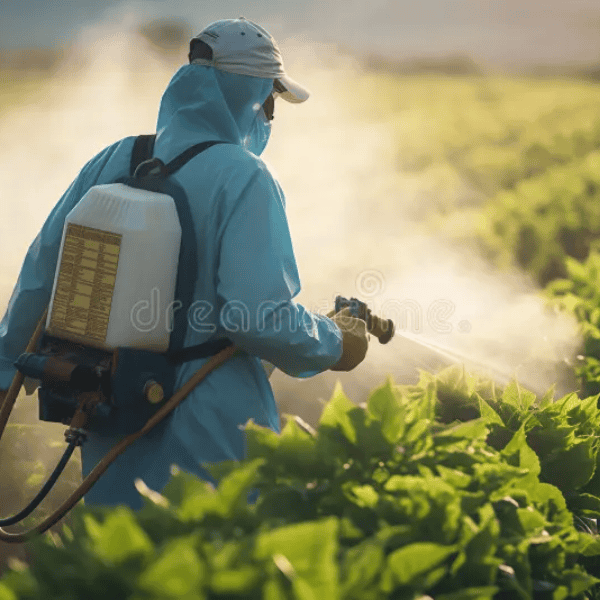
Pest Control Spraying
Used to apply pesticides and insecticides for protecting crops from harmful pests, insects, and mites.
Fertilizer Spraying
Helps deliver liquid fertilizers directly to the roots and leaves, improving plant growth and crop yield.
Herbicide Application
Targets weeds with precision, allowing farmers to control unwanted plants without damaging crops.
Plant Watering
Spray guns for plants ensure even and efficient water distribution across fields, gardens, and plantations.
Greenhouse and Nursery Care
Ideal for spraying delicate seedlings and young plants in greenhouses and nurseries using compact or mini spray machines.
How to Choose the Right Spray Gun ?

Mobility required (handheld, shoulder-strap, trolley-mounted)
Power source (manual, electric, motorized)
Liquid viscosity (thick vs. thin)
Type of crops/plants
Size of your land (small, medium, large)
Frequently Asked Questions
Which is the best spray gun for agriculture?
- Mini sprayers are best for small gardens, while motorized knapsack sprayers suit large farms.
- Choose based on land size and crop type.
What are the types of spray guns for farming?
- Popular types: mini, backpack, motorized, pipe-attached, and quick connect sprayers.
- Each suits different farm sizes and applications.
Which spray gun is best for pesticide spraying?
- Use high-pressure or battery sprayers for pesticides.
- They offer better control and coverage.
What is the ideal spray distance from plants?
- Maintain a distance of 30–50 cm from crops.
- It ensures even and safe application.