- Home
- Products
- Industrial Pumps
- Water Pressure Booster Pumps for Industrial Units
Booster Pumps
Water Pressure Booster Pumps for Industrial Units
Pressure booster pumps raise water pressure where mains or tank supply is too low for industrial units. Send your requirements to begin.
- Centrifugal and multi-stage booster pump types
- Impeller converts kinetic energy to pressure
- Multi-stage type uses impellers in series for higher pressure
- Selection factors such as lift and flow explained
- Electric motor driven
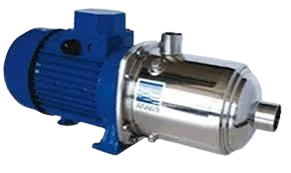
Application-first selection
Tell us the medium, range and conditions — we match the product type to the duty.
Multi-category sourcing
Instruments, valves, filters, pneumatics and pumps on one enquiry.
Quotation against your specs
Every quote references the parameters you sent, so comparisons are like-for-like.
Engineer-to-engineer support
Ask a technical question before you commit to a model.
Booster Pumps
Range, specifications & options
Confirm specifications against the datasheet for your exact model before ordering.
Need a quote for Water Pressure Booster Pumps for Industrial Units?
Send the model or your operating parameters — unsure of a value? Mark it unknown and we will help. Monday to Saturday, 10:00 AM – 5:30 PM.
Water Pressure Booster Pumps for Industrial Units
Is water pressure too low at your outlets? We supply water pressure booster pumps; send your requirement for a quotation.
Water Pressure Booster Pumps for Industrial Units
Is water pressure too low at your outlets? We supply water pressure booster pumps; send your requirement for a quotation.
Water Pressure Booster Pump For Industrial Units
Centrifugal Pressure Booster Pump
Multi-Stage Pressure Booster Pump
Centrifugal Pressure Booster Pump
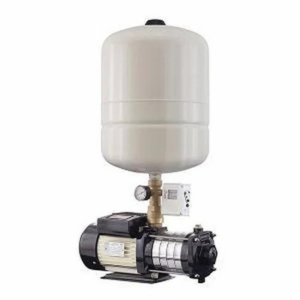
Centrifugal Pressure Booster Pump
Centrifugal pressure booster pumps utilize a spinning impeller to increase water pressure. These versatile pumps are commonly used for general water supply and irrigation applications.
Working Principle:
As the impeller rotates, it imparts kinetic energy to the water, which is then converted into pressure energy as it exits the pump.
Specifications Table:
| Parameter | Specification |
| Flow Rate | Varies based on mode |
| Pressure Increase | Depends on impeller design |
| Application | General water supply, irrigation |
| Power Source | Electric motor |
| Efficiency | Moderate to high |
| Maintenance | Relatively low |
Multi-Stage Pressure Booster Pump
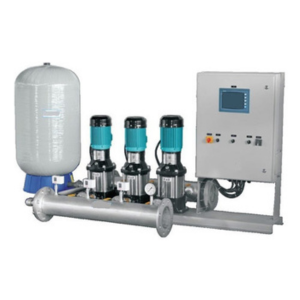
Multi-Stage Pressure Booster Pump
Multi-stage pressure booster pumps have multiple impellers arranged in series to achieve higher pressure levels. They are often used in high-rise buildings and industrial systems.
Working Principle:
Water passes through each impeller stage, gaining additional pressure before exiting the pump. This staged approach results in significant pressure boosts.
Specifications:
| Parameter | Specification |
| Flow Rate | Varies based on mode |
| Pressure Increase | High, with multiple stages |
| Application | High-rise buildings, industrial systems |
| Power Source | Electric motor |
| Efficiency | High |
| Maintenance | Periodic inspection and maintenance |
Industrial Pressure Booster Pump Applications
Industrial pressure booster pumps are critical in various industrial applications where maintaining consistent and reliable water pressure is essential. Here are some common applications and considerations for selecting the right pressure booster pump in industrial settings:
Common Applications
1.Manufacturing Facilities
-
- Process Water Supply: Ensuring consistent water pressure for manufacturing processes.
- Cooling Systems: Supplying water to cooling towers and heat exchangers.
2.High-Rise Buildings
-
- Domestic Water Supply: Providing adequate water pressure for all floors.
- Fire Suppression Systems: Ensuring reliable pressure for fire sprinklers and hydrants.
3.Agriculture and Irrigation
-
- Crop Irrigation: Maintaining consistent water pressure for sprinkler and drip irrigation systems.
- Livestock Watering: Ensuring adequate water pressure for livestock watering systems.
4.Municipal Water Supply
-
- Water Distribution: Boosting water pressure in municipal water supply networks.
- Wastewater Treatment: Providing consistent pressure for various treatment processes.
5.Food and Beverage Industry
-
- Process Water Supply: Ensuring consistent pressure for cleaning, processing, and packaging.
- CIP (Clean-In-Place) Systems: Maintaining pressure for automated cleaning systems.
6.HVAC Systems
-
- Chilled Water Systems: Supplying water to HVAC systems for cooling and heating.
- Boiler Feed Water: Maintaining pressure for boiler systems in heating applications.
7.Mining and Construction
-
- Dust Suppression: Providing water pressure for dust control systems.
- Site Water Supply: Ensuring water pressure for various site needs, including concrete mixing and washing
Key Considerations
1.Flow Rate and Pressure Requirements
-
- Peak Demand: Determine the maximum flow rate and pressure required during peak usage.
- System Head: Calculate the total dynamic head (TDH) considering vertical lift, friction losses, and pressure requirements.
2.Pump Type
-
- Centrifugal Pumps: Common for high flow rates and moderate pressure.
- Positive Displacement Pumps: Suitable for precise flow rates and high pressure.
- Vertical Multi-Stage Pumps: Efficient for high-pressure applications in limited space.
3.Material Compatibility
-
- Corrosion Resistance: Ensure pump materials are compatible with the water or fluid being pumped.
- Durability: Choose materials that can withstand harsh industrial environments.
4.Energy Efficiency
-
- Variable Speed Drives (VSD): Implement VSDs to adjust pump speed based on demand, improving energy efficiency.
- High-Efficiency Motors: Select pumps with energy-efficient motors to reduce operating costs.
5.Control and Automation
-
- Smart Controllers: Use advanced controllers for monitoring and adjusting pump operation.
- Remote Monitoring: Implement systems for remote monitoring and control to ensure optimal performance.
6.Redundancy and Reliability
-
- Backup Pumps: Incorporate redundant pumps to ensure continuous operation in case of primary pump failure.
- Maintenance Access: Design the system for easy access to pumps for maintenance and repairs.
7.Noise and Vibration Control
-
- Noise Reduction: Choose pumps with noise-reducing features or install soundproofing measures.
- Vibration Dampening: Implement vibration dampening systems to protect pumps and piping.
Example Products
1.Ebara CR Series
-
- Vertical multi-stage centrifugal pump
- Features: High efficiency, durable construction, suitable for various industrial applications
- Applications: Process water supply, cooling systems, HVAC
2.Ebara e-SV Series
-
- Vertical multi-stage pump
- Features: Stainless steel construction, energy-efficient motor, easy maintenance
- Applications: Municipal water supply, industrial processes, boiler feed
3Ebara Series
-
- Vertical multi-stage centrifugal pump
- Features: High efficiency, compact design, reliable performance
- Applications: HVAC systems, pressure boosting, irrigation
4.Ebara Helix EXCEL
-
- High-efficiency vertical multi-stage pump
- Features: Low energy consumption, high reliability, compact design
- Applications: Industrial water supply, cooling systems, fire suppression
Installation and Maintenance
-
- Ensure pumps are installed by qualified professionals to guarantee proper setup and compliance with industrial standards.
- Regular Maintenance: Implement a maintenance schedule to check and service pumps regularly, ensuring optimal performance and longevity.
- System Monitoring: Utilize monitoring systems to track pump performance and detect issues early, preventing costly downtime.
By considering these applications and factors, you can select the appropriate pressure booster pump to meet the specific needs of your industrial setting, ensuring reliable and efficient water pressure management.
Selection guide
What to specify for an accurate quotation
These parameters decide which variant suits your duty. Send what you know — unknown values can be marked for engineering assistance.
Typical applications
- Process water supply
- Utility and wash water
- Cooling water systems
- Factory canteen and hostels
- Pressure maintenance in long pipe runs
FAQ
Frequently asked questions
Answers to the questions buyers most often ask before requesting a quotation.
How do industrial booster pumps differ from residential ones?
Industrial units usually run longer hours, serve process equipment and cope with steadier or larger demand. They may need tougher materials and tighter control. Tell us the plant, the hours of operation and the fluid, and we can discuss whether the centrifugal or multi-stage type listed on this page suits your quotation.
What causes low pressure in a factory water line?
Common causes are undersized pipework, clogged strainers, partly closed valves, heavy simultaneous demand and weak incoming supply. A booster pump only helps if the supply side is sound. Send a short description of the line and where pressure drops, and an engineer can advise before we quote.
What should I give you when asking for an industrial booster pump quote?
Please provide the target pressure at the point of use, total flow needed, the supply source and its pressure, pipe sizes, the liquid and its temperature, and the electrical supply available. Add whether the load varies through the day, since that influences whether a variable-speed arrangement is worth considering.
Can booster pumps run on variable speed control?
Yes, many booster sets use a variable frequency drive to hold constant pressure as demand changes, which can reduce energy use. Tell us your demand pattern and we will advise the control option.
Related
Related products & guides
Need a pressure booster pump?
Send required pressure, flow, water source, supply voltage and number of outlets or floors. We will recommend a pump and quote.