- Home
- Products
- Industrial Pumps
- Water Pressure Booster Pumps for Showers
Booster Pumps
Water Pressure Booster Pumps for Showers
Pressure booster pumps raise water pressure where mains or tank supply is too low for showers. Send your requirements to begin. Send your requirement through Request a Quote and an engineer will review it with you.
- Centrifugal and multi-stage booster pump types
- Impeller converts kinetic energy to pressure
- Multi-stage type uses impellers in series for higher pressure
- Selection factors such as lift and flow explained
- Electric motor driven
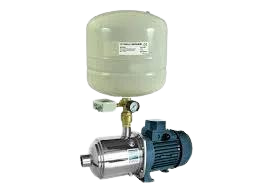
Application-first selection
Tell us the medium, range and conditions — we match the product type to the duty.
Multi-category sourcing
Instruments, valves, filters, pneumatics and pumps on one enquiry.
Quotation against your specs
Every quote references the parameters you sent, so comparisons are like-for-like.
Engineer-to-engineer support
Ask a technical question before you commit to a model.
Booster Pumps
Range, specifications & options
Confirm specifications against the datasheet for your exact model before ordering.
Need a quote for Water Pressure Booster Pumps for Showers?
Send the model or your operating parameters — unsure of a value? Mark it unknown and we will help. Monday to Saturday, 10:00 AM – 5:30 PM.
Water Pressure Booster Pumps for Showers
Is water pressure too low at your outlets? We supply water pressure booster pumps; send your requirement for a quotation.
Water Pressure Booster Pump For Showers
Centrifugal Pressure Booster Pump
Multi-Stage Pressure Booster Pump
Centrifugal Pressure Booster Pump
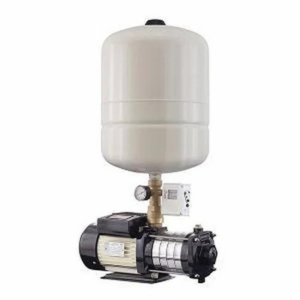
Centrifugal Pressure Booster Pump
Centrifugal pressure booster pumps utilize a spinning impeller to increase water pressure. These versatile pumps are commonly used for general water supply and irrigation applications.
Working Principle:
As the impeller rotates, it imparts kinetic energy to the water, which is then converted into pressure energy as it exits the pump.
Specifications Table:
| Parameter | Specification |
| Flow Rate | Varies based on mode |
| Pressure Increase | Depends on impeller design |
| Application | General water supply, irrigation |
| Power Source | Electric motor |
| Efficiency | Moderate to high |
| Maintenance | Relatively low |
Multi-Stage Pressure Booster Pump
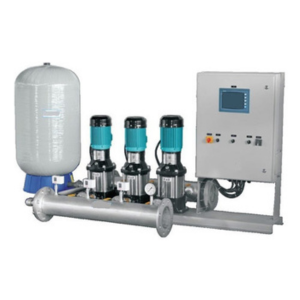
Multi-Stage Pressure Booster Pump
Multi-stage pressure booster pumps have multiple impellers arranged in series to achieve higher pressure levels. They are often used in high-rise buildings and industrial systems.
Working Principle:
Water passes through each impeller stage, gaining additional pressure before exiting the pump. This staged approach results in significant pressure boosts.
Specifications:
| Parameter | Specification |
| Flow Rate | Varies based on mode |
| Pressure Increase | High, with multiple stages |
| Application | High-rise buildings, industrial systems |
| Power Source | Electric motor |
| Efficiency | High |
| Maintenance | Periodic inspection and maintenance |
Choosing Right Pressure Pump For Showers
Selecting the right pressure pump for showers involves ensuring that it can provide sufficient water pressure and flow rate to meet the needs of your household. Here are the key factors to consider
1. Current Water Pressure
-
- Measurement: Measure your current water pressure using a pressure gauge attached to a faucet or hose bib.
- Desired Pressure: Determine the desired water pressure for a comfortable shower experience. Typically, a good shower pressure is around 40-60 psi.
2. Flow Rate Requirements
-
- Showerhead Flow Rate: Check the flow rate of your showerhead(s). Standard showerheads typically have a flow rate of 2.0 to 2.5 gallons per minute (GPM).
- Number of Showers: Consider the number of showers that might be in use simultaneously and sum their flow rates to determine the total required flow rate.
3. Pump Type
-
- Single Stage vs. Multi-Stage: Single-stage pumps are usually sufficient for single-family homes. Multi-stage pumps can provide higher pressure and are suitable for larger homes or multiple showers.
- Shower-Specific Pumps: Some pumps are specifically designed for boosting shower pressure and may offer features tailored for this use.
4. Pump Features
-
- Automatic Pressure Switch: An automatic pressure switch turns the pump on and off based on water demand, providing convenience and efficiency.
- Noise Level: Consider the noise level of the pump, especially if it will be installed near living areas. Look for pumps with noise-dampening features.
- Thermal Protection: Pumps with thermal protection features can prevent overheating and prolong pump life.
5. Installation Location
-
- Indoor vs. Outdoor: Decide where the pump will be installed. Ensure it is suitable for the intended location and protected from the elements if installed outdoors.
- Space Requirements: Ensure there is enough space for installation and maintenance.
6. Energy Efficiency
-
- Energy Consumption: Consider the pump's energy consumption. Energy-efficient models can save on operating costs.
- Variable Speed Pumps: These pumps adjust their speed based on demand, providing consistent pressure and saving energy.
7. Brand and Warranty
-
- Reputable Brands: Choose a pump from a reputable brand known for quality and reliability.
- Warranty: Check the warranty period and what it covers to ensure long-term protection.
8. Budget
Initial Cost vs. Long-Term Savings: Balance your budget with the features and quality you need. Sometimes spending more initially can save money on maintenance and energy costs in the long run.
Example Products
Here are a few examples of pressure booster pumps suitable for showers:
1.Ebara MQ3-35
-
- Flow Rate: Up to 15 GPM
- Pressure: Boosts up to 45 psi
- Features: Built-in pressure tank, low noise, compact design
2.Ebara 2.0
-
- Flow Rate: Up to 20 liters per minute (approx. 5.3 GPM)
- Pressure: Boosts up to 29 psi (2.0 bar)
- Features: Quiet operation, easy installation, suitable for multiple showers
3.Ebara 20 PT
-
- Flow Rate: Up to 20 liters per minute (approx. 5.3 GPM)
- Pressure: Boosts up to 2.0 bar (approx. 29 psi)
- Features: Positive head, low noise, compact design
By considering these factors and selecting a suitable pump, you can ensure a strong, consistent water pressure for an enjoyable shower experience.
Selection guide
What to specify for an accurate quotation
These parameters decide which variant suits your duty. Send what you know — unknown values can be marked for engineering assistance.
Typical applications
- Hotel and hostel showers
- Staff quarters
- Sports facilities and gyms
- Hospital wards
- Industrial changing rooms
FAQ
Frequently asked questions
Answers to the questions buyers most often ask before requesting a quotation.
How do I choose a booster pump for showers?
Measure current pressure at the outlet, decide the pressure and flow required for the showerheads, and count how many showers run together. Send these figures and we will recommend a pump.
How to increase water pressure in a shower?
- Clean the Showerhead. ...
- Inspect the Shower Arm. ...
- Replace the Water-Restricting Showerhead. ...
- Replace the Shower Hose. ...
- Ensure Valves Are Open. ...
- Replace Single-Handle Volume Control. ...
- Check the Main Shutoff in the House. ...
- Increase Pressure at the Curbside Main Shutoff.
What are the two types of shower pumps?
Shower pumps can be broken down into two main categories: positive head and negative head pumps; and then a further two categories – twin or single impeller. The type that you will need depends upon the layout of your water system.
Is there a device to increase water pressure in shower?
Installing a shower pump is an easy and effective way to increase the water pressure in your shower. If you would like more information on shower pumps, read our complete guide to buying a shower pump here.
Related
Related products & guides
Need a pressure booster pump?
Send required pressure, flow, water source, supply voltage and number of outlets or floors. We will recommend a pump and quote.