Product family
High-Pressure Cleaning Equipment: Pumps, Guns, Jetting and Washers
High-pressure water removes scale, paint, grease, sludge and deposits that brushes and low-pressure rinsing leave behind. Flotronics supplies high-pressure cleaning pumps, pump accessories, spray guns, hydro-jetting and hydro-blasting machines, sewer jetting pumps, vehicle washing machines and tank and reactor cleaning systems.
Application-first selection
Tell us the medium, range and conditions — we match the product type to the duty.
Multi-category sourcing
Instruments, valves, filters, pneumatics and pumps on one enquiry.
Quotation against your specs
Every quote references the parameters you sent, so comparisons are like-for-like.
Engineer-to-engineer support
Ask a technical question before you commit to a model.
Product types
High-Pressure Cleaning Equipment — categories
Brands such as Annovi Reverberi and CAT Pumps can be sourced through Flotronics. The right equipment depends on the cleaning task, the water flow and pressure it needs, the power source and how often it runs. Describe your job and we will help narrow the options and prepare a quotation. Our team can also review an existing datasheet or nameplate and suggest equivalents, so you do not need a full specification to begin. Choose a category to see the range, specifications and quotation details.
High-Pressure Cleaning Equipment
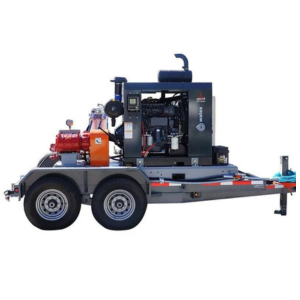
Hydro Jetting Machines for Industrial CleaningHydro jetting machines use a high pressure plunger pump to drive water through nozzles and clear blockages, scale and deposits from pipes,…
View range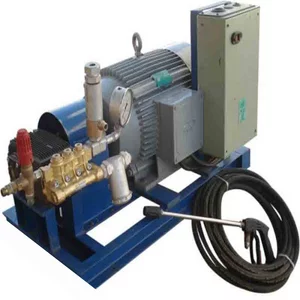
High-Pressure Cleaning Equipment
High Pressure Cleaning Pumps & Water Jet CleanersHigh pressure cleaning uses a plunger pump and nozzle to turn water into a fast jet that removes dirt, mud, oil, grease, paint, debris and…
View range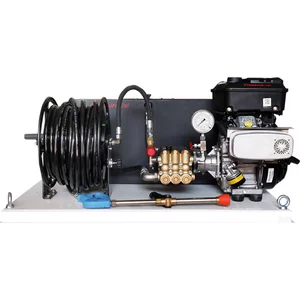
High-Pressure Cleaning Equipment
UHP Fire Fighting Equipment and Ultra High Pressure Pump SkidsUltra high pressure (UHP) fire fighting systems use a high pressure, low flow pump to deliver a fine water or foam spray that suppresses…
View range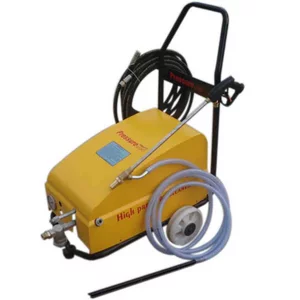
High-Pressure Cleaning Equipment
Wet Sandblasting Equipment for Rust and Paint RemovalWet sandblasting mixes abrasive into a high pressure water jet to remove rust, paint, scale and coatings and leave a surface ready for…
View range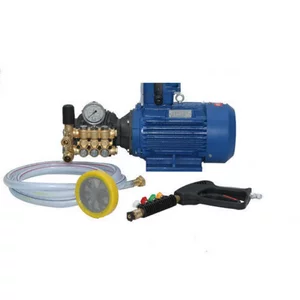
High-Pressure Cleaning Equipment
Vehicle Washing Machines for Cars, Bikes and TrucksVehicle washing machines use a motor or engine driven high pressure pump, a trigger gun and hose to remove mud, dust and dirt from cars,…
View rangeHigh-Pressure Cleaning Equipment
Industrial Cleaning Equipment: High-Pressure Cleaners & PumpsHigh-pressure cleaners use a reciprocating plunger pump to deliver a water jet that removes mud, grime, dust and old coatings from…
View range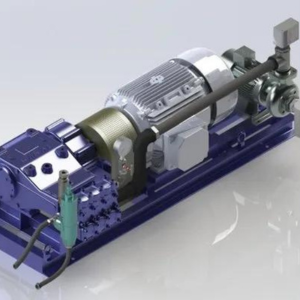
High-Pressure Cleaning Equipment
Hydro Test Pumps for Pressure TestingHydrostatic pressure testing fills a component with water or oil and raises the pressure slowly to a set point to find leaks or defects.…
View range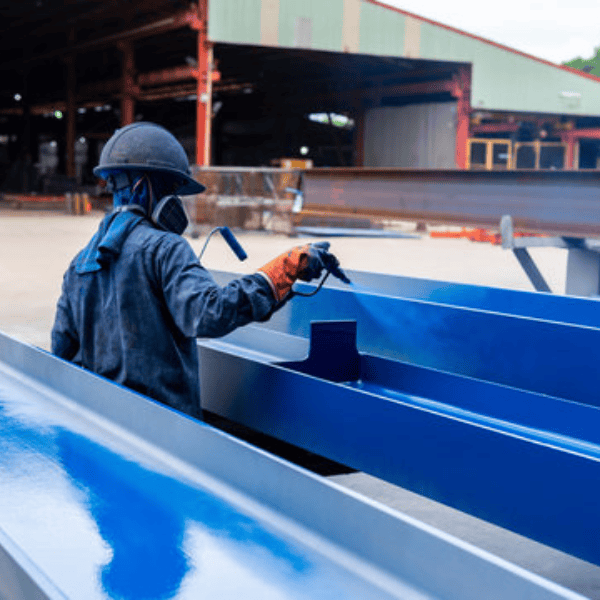
High-Pressure Cleaning Equipment
Industrial Spray Guns: HVLP, LVLP, Airless & CordlessIndustrial spray guns apply paints, primers, coatings and chemicals evenly with controlled overspray. The page covers cordless, industrial,…
View range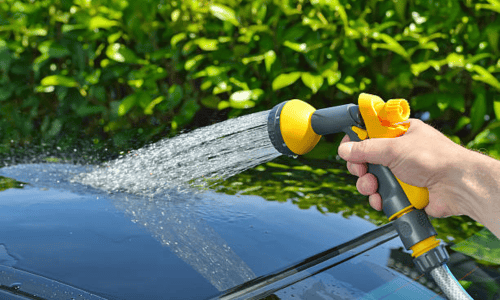
High-Pressure Cleaning Equipment
High Pressure Spray Guns: HVLP, Airless, Cordless & MoreA spray gun atomises liquid into a fine mist or spray for fast, even coverage in painting, farming, cleaning and surface treatment. This…
View range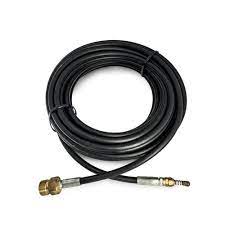
High-Pressure Cleaning Equipment
High Pressure Pump Accessories: Hoses, Lances & CouplingsAccessories decide how well a high pressure pump performs in the field. This page lists drain tube cleaners, foam lances with container,…
View range
High-Pressure Cleaning Equipment
Agriculture Spray Guns & Sprayers: Types and UsesAgricultural spray guns apply water, pesticides, herbicides and fertilisers evenly over crops and plants. This guide covers the main types,…
View rangeHigh-Pressure Cleaning Equipment
High Pressure Plunger Pumps: Jetting, Blasting & TestHigh pressure reciprocating plunger pumps generate the pressure needed for hydro jetting, hydro blasting, hydrostatic testing, industrial…
View range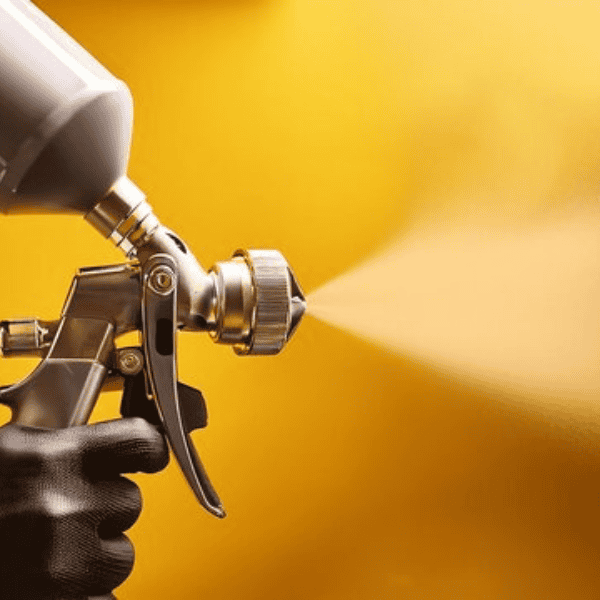
High-Pressure Cleaning Equipment
Commercial Spray Guns: HVLP, Airless & PneumaticCommercial spray guns apply paints and coatings consistently over large areas and long working hours, working with higher-viscosity…
View rangeHigh-Pressure Cleaning Equipment
Spray Guns for Homes & Light Duty: HVLP, Airless & CordlessHome and light-duty spray guns make painting, gardening, cleaning and disinfecting quicker and more even than brushes or rollers. This page…
View range
High-Pressure Cleaning Equipment
Tank & Reactor Cleaning Systems: High-Pressure CleaningReactors and process tanks build up deposits on walls, jackets and agitator blades, which reduces efficiency and risks contaminating later…
View range
High-Pressure Cleaning Equipment
Pressure Washers for Vehicle & Household CleaningA high pressure washer uses a motor- or engine-driven water pump, hose and trigger gun to remove rust, dust, mud and dirt from vehicles,…
View rangeHigh-Pressure Cleaning Equipment
Industrial Spray Nozzles for Cooling, Dust Suppression & CleaningSpray nozzles turn a liquid into a controlled spray, used to distribute it over an area, increase surface area or create impact force. They…
View range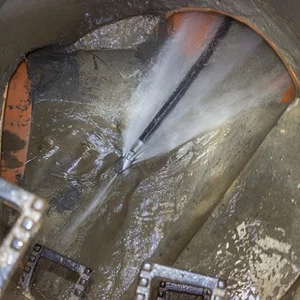
High-Pressure Cleaning Equipment
Sewer Jetting Pumps & Hydro Jetting Machine SystemsSewer jetting uses high-pressure water to clear blockages and clean sewer lines, removing silt, grease and deposits that restrict flow.…
View range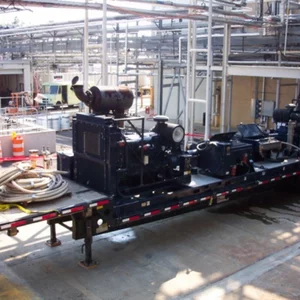
High-Pressure Cleaning Equipment
Hydro Blasting Machines (Trolley & Engine Driven)Hydro blasting cleans surfaces using only a highly pressurised, focused water stream from a pressure pump and nozzle, with no abrasives or…
View range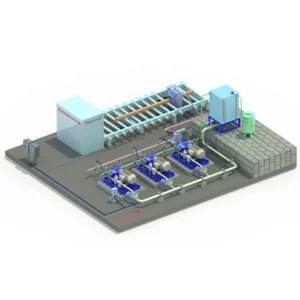
High-Pressure Cleaning Equipment
High-Pressure Descaling Systems for Steel MillsDuring reheating, a layer of oxide scale forms on hot steel, and high-pressure water descaling removes it with a sharp impacting jet before…
View rangeHow it works
Types and how to choose
Cleaning performance comes from two quantities that work together: pressure, which provides the impact to break a bond between dirt and surface, and flow, which carries the loosened material away. Pressure alone strips coatings; flow does the rinsing. Hydraulic power, the product of the two, is a useful way to compare machines.
The pump is the heart of the system. Plunger (piston) pumps are the standard for high pressure because they are efficient and durable, and they are driven by an electric motor, diesel or petrol engine. Electric units suit workshops and indoor use; engine-driven units suit remote sites. The nozzle then converts pressure to velocity, and its orifice size and spray angle must be matched to the pump, since the wrong nozzle changes the working pressure.
Task determines the format. Hydro-jetting and sewer jetting use hoses with rotating or fixed nozzles to clear pipes and drains. Hydro-blasting removes tough deposits and coatings from heat exchangers and structures. Vehicle washers prioritise flow and heated or detergent options. Tank cleaning systems use rotating heads to clean vessels without entry. Always match hoses, couplings and guns to the pump's rating, and follow safe operating procedure. See high-pressure pumps, hydro-jetting machines and spray guns.
| Type | Best suited for | Consider when |
|---|---|---|
| High-pressure plunger pump | Core pump for washers, test rigs and jetting units | Pressure or flow demands exceed the pump's rating |
| Hydro-jetting machine | Pipe, drain and heat exchanger tube cleaning | Deposits need cutting, not just flushing |
| Hydro-blasting machine | Removing scale, paint and coatings from surfaces | Surface cannot tolerate water impact |
| Sewer jetting pump | Clearing sewer lines and drains | Line is collapsed or needs mechanical clearing |
| Vehicle washing machine | Washing cars, trucks and equipment | Industrial descaling is the actual need |
| Tank and reactor cleaning system | Cleaning vessels and tanks without entry | Residue is hard-set and needs chemical soaking |
| Spray gun and accessories | Directing and controlling the water jet | Pump rating does not match the gun |
Selection guide
Parameters to specify
Send these with your enquiry for an accurate, like-for-like quotation.
Typical applications
- Descaling heat exchangers and boilers
- Sewer and drain jetting
- Vehicle and fleet washing
- Tank and reactor cleaning
- Surface preparation and paint removal
- Hydro-testing of vessels and pipes
- Agricultural and household washing
Industries
- Chemical and process
- Municipal and sewerage
- Power and boilers
- Automotive and transport
- Refineries and oil and gas
- Agriculture and food processing
FAQ
Frequently asked questions
Answers to the questions buyers most often ask before requesting a quotation.
What is more important for cleaning, pressure or flow?
Both. Pressure gives the impact that breaks soil bonds, and flow carries the debris away and speeds coverage. A high-pressure, low-flow tool cleans a small spot hard, while a higher-flow machine rinses faster. Your deposit type and surface determine the balance; tell us the job and we can suggest a suitable pump.
Should I choose an electric or an engine-driven machine?
Electric machines are quieter, produce no exhaust and suit workshops and plants with power. Diesel or petrol units suit remote sites and mobile work with no mains supply. Consider ventilation, noise, fuel handling and power availability when deciding. Hot-water models and detergent injection add options for greasy deposits, and these are specified separately from the pump itself.
Can I use any spray gun or nozzle with my pump?
No. Guns, hoses, couplings and nozzles must be rated for the pump's maximum pressure and flow. The nozzle orifice also sets the actual operating pressure, so a mismatched nozzle can overload the pump or give poor cleaning. Send your pump details and we can suggest compatible accessories. Rotating nozzles and turbo heads increase cleaning effect but also change flow demand, so check them against pump output.
What is the difference between hydro-jetting and hydro-blasting?
Both use high-pressure water. Jetting generally refers to cleaning pipes, drains and tubes with hose-fed nozzles, while blasting refers to removing coatings, scale and hard deposits from surfaces and equipment, often at higher pressures. Share the task and we will match the equipment. Specialist tube and pipe lances, rotating heads and sewer nozzles are chosen to suit each specific bore size and deposit.
What do you need to quote cleaning equipment?
Please describe the cleaning task, deposit type, desired pressure and flow if known, power source, water supply, duty cycle and any brand preference. For spares, send the pump model or nameplate. With these details we can match the pump, drive, guns, hoses and nozzles together and send one consolidated quotation for the full set.
Need high-pressure cleaning equipment?
Describe the cleaning job, power source and water supply, and we will suggest suitable equipment and quote.